
Photo: by jslander · CC BY 2.0
Kalguksu (Knife-cut Noodle Soup)
A comforting Korean noodle soup: chewy hand-cut wheat noodles simmered with zucchini in a milky anchovy-kelp broth. Humble but deeply savory, it's the bowl Koreans crave on a rainy day.
Ingredients
- Kalguksu noodles · fresh, or make dough400 g
- Zucchini · julienned0.5
- Potato · thinly sliced, optional1
- Scallion1
- Minced garlic1 tbsp
- Soup soy sauce1 tbsp
- Salt · to taste
- Anchovy broth
- Dried anchovies · guts removed15
- Dried kelp (dashima) · palm-sized1 piece
- Water8 cups
- Sauce (optional)
- Soy sauce2 tbsp
- Gochugaru1 tbsp
- Scallion, garlic, sesame · a little
Steps
- ⏲ 15 min
Simmer the anchovies and kelp in cold water. Once boiling, remove the kelp and let the anchovies steep 10 more minutes, then strain for a clear broth.
- ⏲ 5 min
Add the potato to the broth to soften, then season with the minced garlic and soup soy sauce.
- ⏲ 1 min
Shake the noodles loose and add them so they don't clump. (Brush off excess flour on fresh noodles so the broth stays clear.)
- ⏲ 4 min
When the noodles start to cook, add the zucchini and scallion and simmer 3-4 minutes more.
- ⏲ 1 min
Adjust with salt. Ladle into bowls and serve with toasted seaweed or the seasoning sauce.
Tips & Variations
Variations
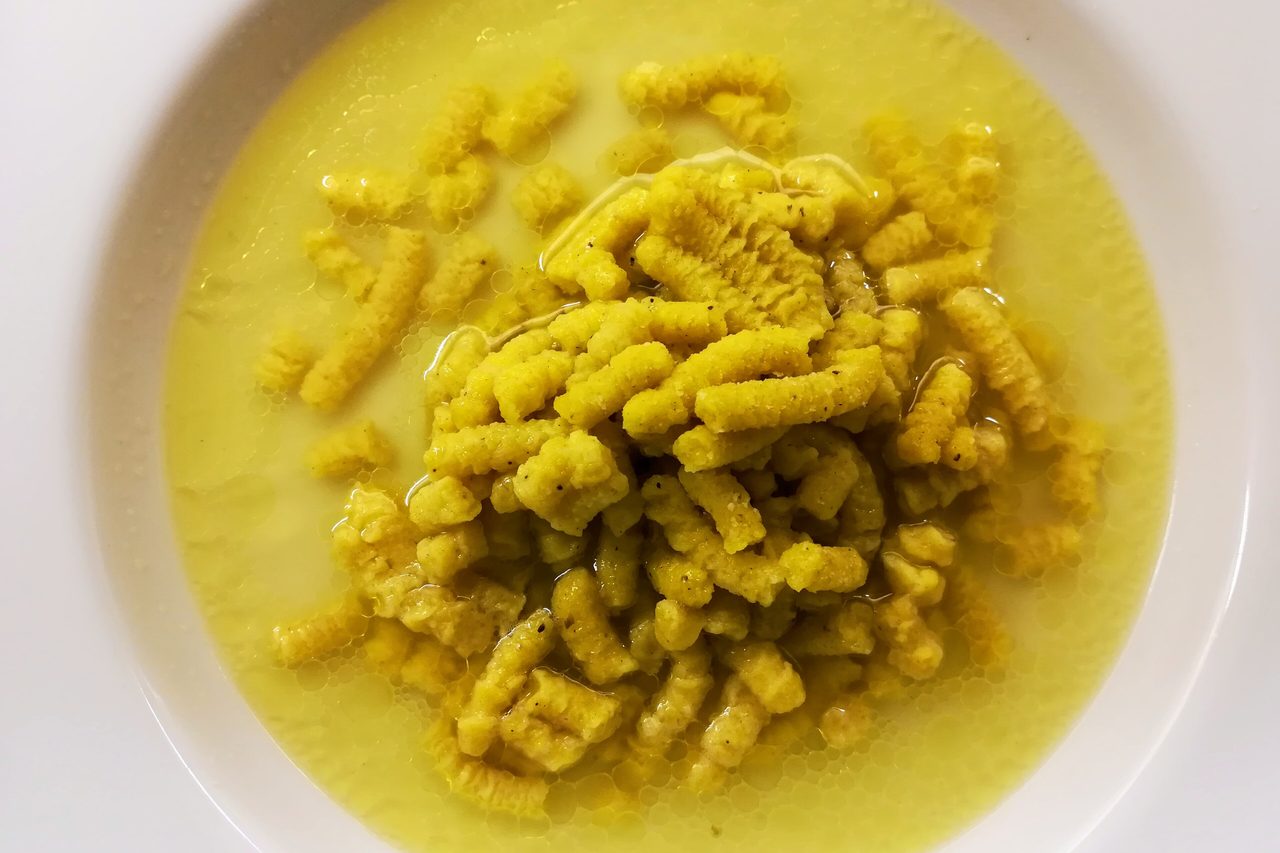
- The noodles go straight into the broth — and unlike most dishes that do that, this one does not want their starch. Pasta e fagioli also cooks its pasta in the liquid it serves, and there every bit of starch the pasta sheds stays in the pot and thickens it, on purpose. Kalguksu is built on a clear anchovy or clam broth, so the same starch is an obstruction. Same move, opposite aim.
- Which is where the rule about brushing the flour off comes from. The dusting flour on hand-cut noodles is there to stop them sticking to each other; in the pot it simply dissolves and clouds the broth. For a clear bowl, brush it off or boil the noodles separately; for a thick one, put them straight in. Both are traditional.
- Being knife-cut is not only a name, either. Orecchiette sets out the ways of shaping a noodle on this site, and kalguksu is the rolled-and-cut one while Lanzhou lamian is pulled. A cut noodle has a square section, so it has edges for broth to catch on; a pulled noodle is round and the broth runs off it.
- Bajirak kalguksu: with purged clams, for a briny, clean broth.
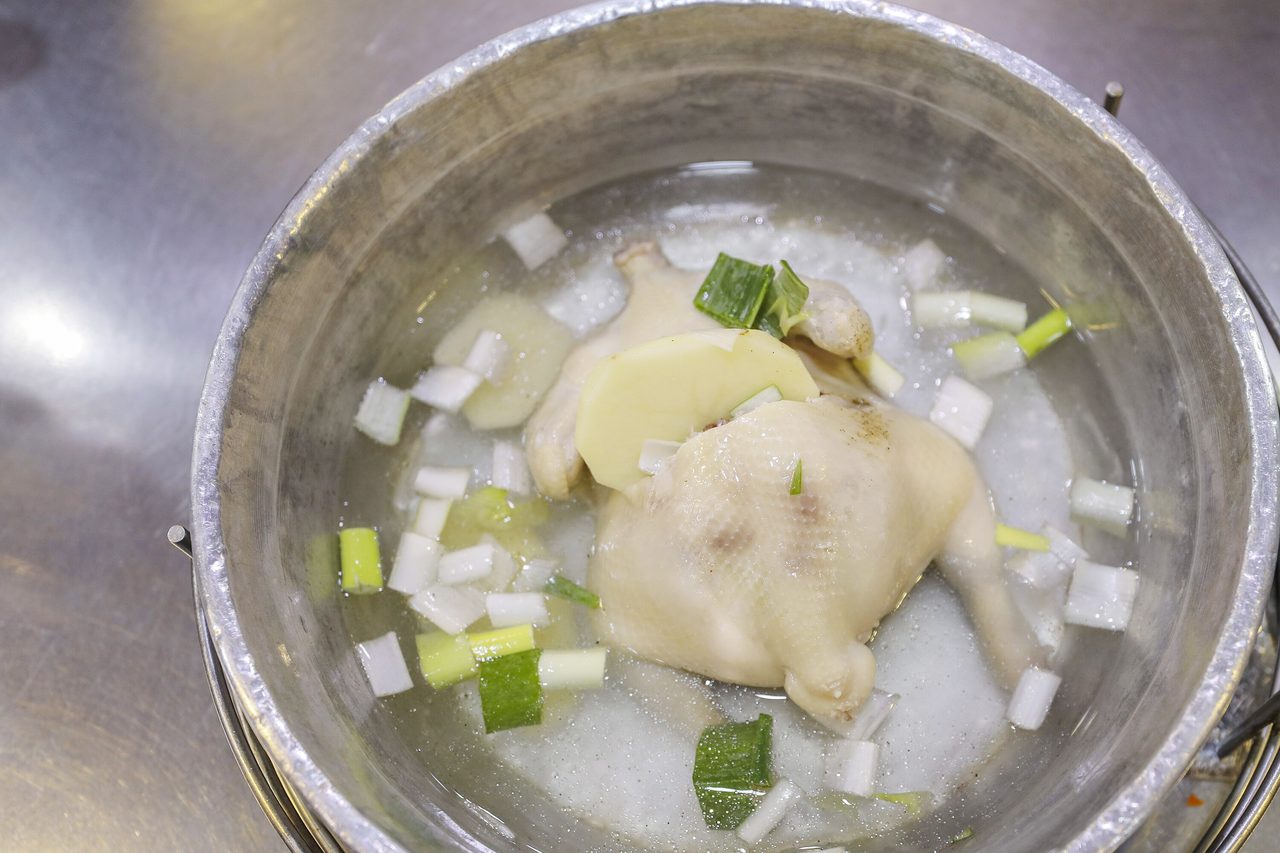
- Chicken kalguksu: rich broth and meat from a simmered chicken.
- Perilla kalguksu: ground perilla seed stirred in for a nutty bowl.
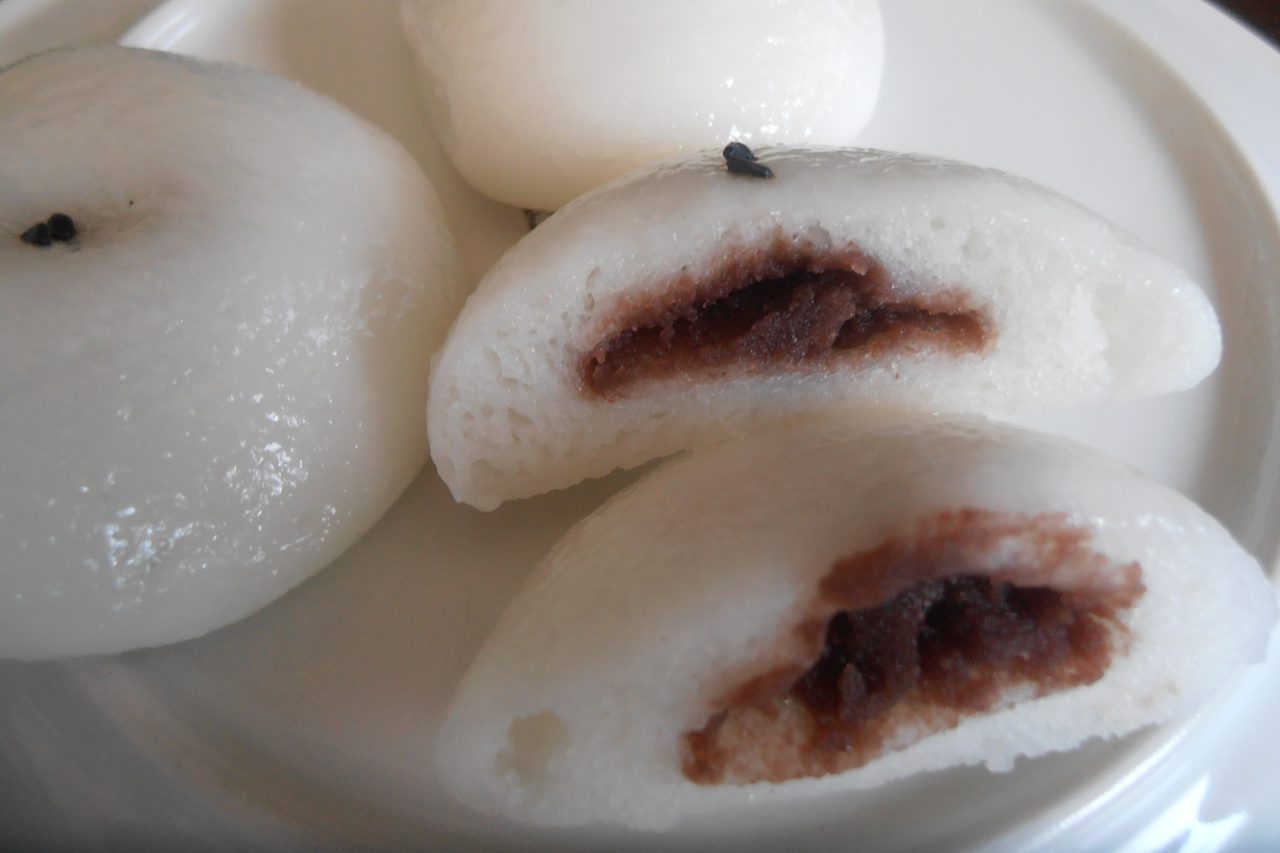
- Pat-kalguksu: a southern version cooked in sweet red-bean broth.
Tips
- Pull the kelp out before it boils to avoid bitterness and sliminess.
- Brush the flour off fresh noodles so the broth does not turn cloudy.
- Do not overcook the noodles — take them out slightly underdone.
- Season with soup soy sauce plus salt for clean colour and taste.
- Add the seasoning sauce if you like it spicy.
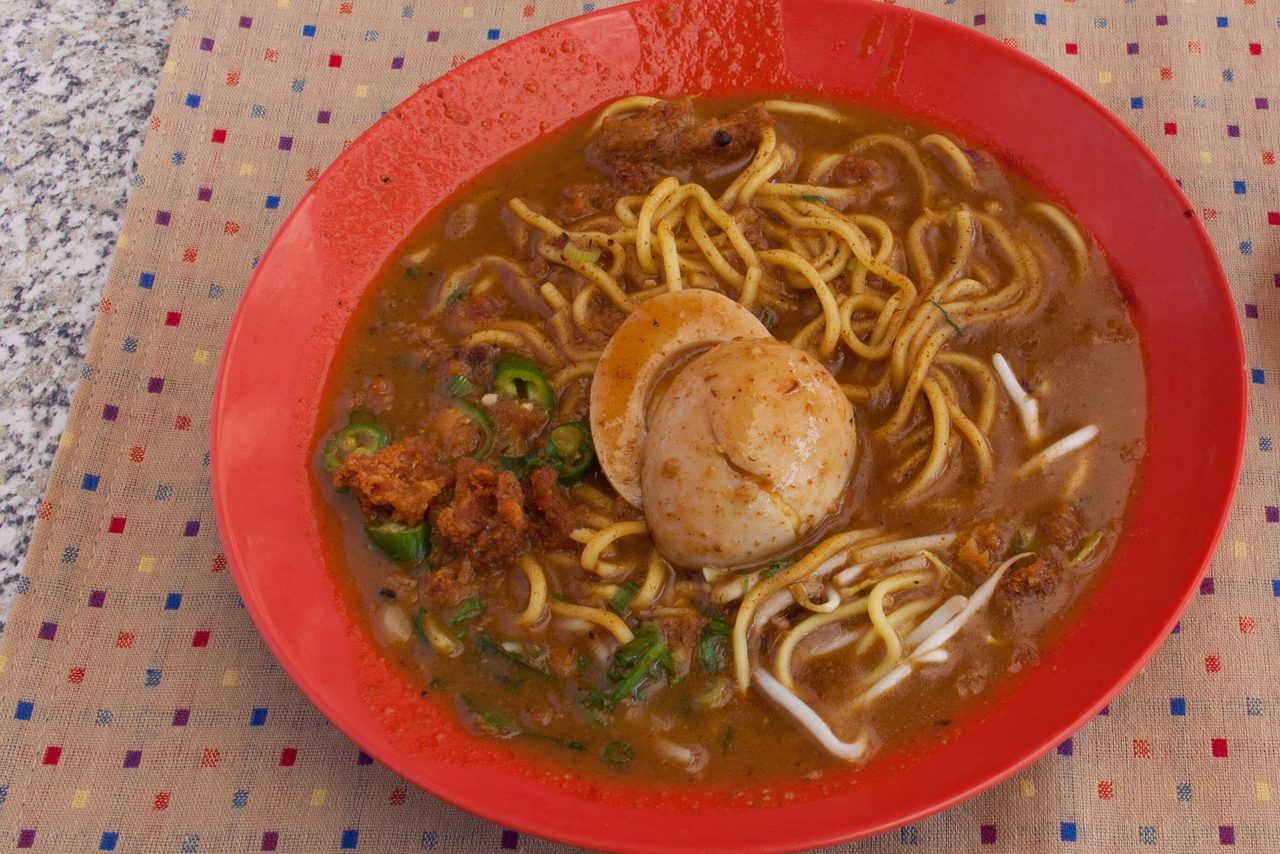
- Underdone is right because the noodles keep cooking in the bowl. The broth's heat finishes them, and while it does they go on drinking it and swelling. Mie goreng builds its whole method on that same property.
- Seasoning with soup soy sauce alone darkens the broth. The division here is that the soy brings colour and a fermented savour and salt supplies the rest of the saltiness (salt and seasoning).
- The kelp comes out before boiling because the bitter compounds leave at higher temperatures than the savoury ones do. Take the glutamate that comes out at 70-80°C and stop there (building umami).
The basics behind this dish
- Stocks and Broths: Clarity, Time, and Why You Do Not Salt ThemWhat separates a clear stock from a cloudy one is temperature, not ingredients. Why you start in cold water, how long each ingredient wants, and why salt comes later.
- Dough and Gluten: When to Build It and When to Avoid ItThe same flour and water becomes a dumpling wrapper or a tender pancake. The difference is whether you built gluten or avoided it — and kneading and resting do different jobs.
- Choosing Flour: Protein Is the Whole StoryBread, plain and cake flour differ in one number: protein. What that number decides, how to fake one from another, and the things sold beside flour that are not flour at all.
More of the same kind


More from this country


Sign in to edit.
AI-drafted, editor-reviewed · edits: 0 ·Edit history
https://cookiki.com/en/r/kalguksu · cookiki · User contributions are licensed under CC BY-SA 4.0.