
Cocktail Bun (Sweet Bun Filled with Coconut, Butter and Day-Old Bread)
Hong Kong's bakery bun, filled with coconut, butter, sugar and ground day-old bread. It began in 1950s Hong Kong bakeries as a way to use unsold bread instead of throwing it out. Half the filling melts in the oven, so the stale crumbs and the dried coconut are there to soak up the melting butter and sugar and keep them inside.
Ingredients
- Dough (for 8)
- bread flour300 g
- sugar45 g
- instant dried yeast5 g
- salt3 g
- milk · lukewarm150 ml
- egg · half in the dough, half for the wash1
- butter · room temperature30 g
- Filling
- day-old white bread · crusts on60 g
- desiccated coconut60 g
- butter · room temperature60 g
- sugar60 g
- milk powder15 g
- Stripes and finish
- butter15 g
- plain flour20 g
- icing sugar15 g
- white sesame seeds1 tbsp
Steps
- ⏲ 70 min
Mix all the dough ingredients and knead for 10 minutes until smooth and stretchy. Cover and prove somewhere warm for 1 hour, until doubled.
Meanwhile make the filling. Rub the day-old bread between your hands into fine crumbs, mix with the coconut, sugar and milk powder, then rub in the soft butter with your fingers. When it holds together, divide into eight, shape into logs and chill.
- ⏲ 10 min
Divide the dough into eight, round them and rest 10 minutes, then roll each into a 12x8cm oval. Lay a log of filling at one end, roll it up like a sushi roll and pinch the seam firmly shut. Set them seam-down on a tray.
- ⏲ 40 min
Cover and prove for 40 minutes. Heat the oven to 180°C.
Brush with the egg wash. Mix the butter, plain flour and icing sugar and pipe two lines across each bun. Scatter over the sesame.
- ⏲ 17 min
Bake for 15-18 minutes until golden. Cool on a rack for 15 minutes before eating — straight from the oven the butter in the filling is still liquid and runs out when you cut it.
Tips & Variations
Variations
- Without the bread: according to ko.wikipedia the filling began as day-old bread and white sugar alone, with coconut and butter (or margarine) added later. Some recipes use flour or milk powder in place of the crumbs; coconut then does nearly all the absorbing, so use a little more.
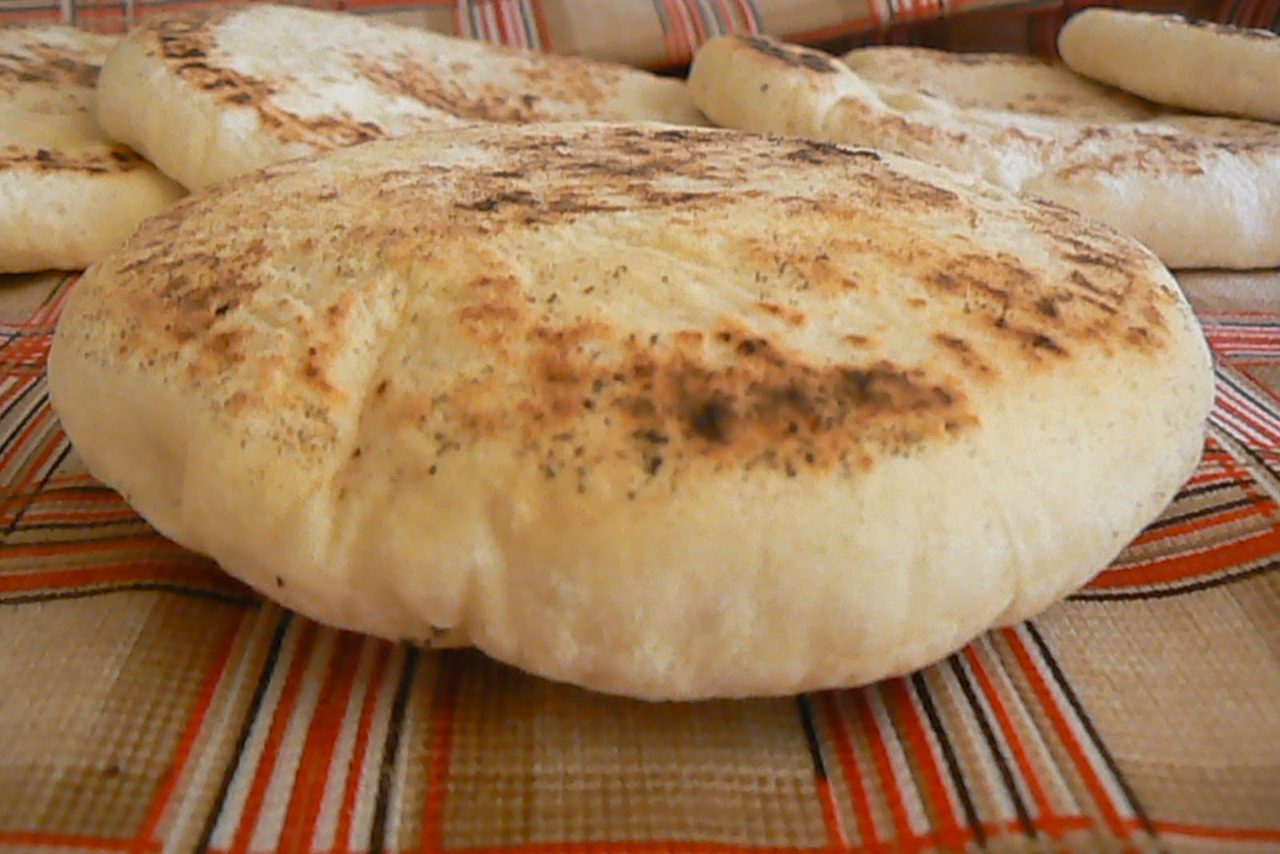
- Without the stripes: some are finished with egg wash and sesame alone, like the one in the photograph. The two piped lines are decoration; they change neither the filling nor the texture.
- The name: in Chinese it is 雞尾包, literally chicken-tail bun. ko.wikipedia records a story that the English name compares the baker mixing leftovers to a bartender mixing a cocktail.
- Its neighbours in the bakery: in Hong Kong it sits beside the pineapple bun. The soft sweet dough is the same family as the baked version of char siu bao.
Tips
- Half the filling melts in the oven. Butter and sugar are liquid at 180°C, and left alone they would leak out of the seam and scorch on the tray. The crumbs and the coconut are there to soak that liquid up and hold it inside. It is the job apfelstrudel's fried crumbs do — "This crumb layer absorbs the juice the apples give up" — except that here the liquid being absorbed is not fruit juice but the filling's own butter.
- The bread has to be day-old. Lamington explains why stale is a requirement: "Left overnight, starch retrogradation firms the crumb". Fresh bread is soft and moist, and rubbed with butter it balls up into one doughy lump. Day-old bread breaks into separate crumbs, and the spaces between them are where the butter goes.
- Use desiccated coconut. Fresh coconut already holds water and has no room to take any more. Only dried coconut soaks up melted butter.
- Seal the seam and keep it underneath. Even with the absorbents, the melting filling looks for the weakest point. A seam left on top opens during proving and baking.
- Eat it cooled. The butter has to set again for the filling to stay put. To eat it warm, give a cooled bun three minutes in the oven.
The basics behind this dish
- Dough and Gluten: When to Build It and When to Avoid ItThe same flour and water becomes a dumpling wrapper or a tender pancake. The difference is whether you built gluten or avoided it — and kneading and resting do different jobs.
- Heat Control: Preheating, Oil, and Reading the PanThe same ingredients become a different dish depending on pan temperature. When to add the oil, how to read heat by sound, and which dishes want low heat instead.
- Knife Skills: Grip, Cuts, and Why Size MattersHow you hold the knife matters more than how fast you cut. The pinch grip, the claw hand, and why uniform size is a cooking decision rather than a cosmetic one.
More of the same kind


Sign in to edit.
AI-drafted, editor-reviewed · edits: 0 ·Edit history
https://cookiki.com/en/r/cocktail-bun · cookiki · User contributions are licensed under CC BY-SA 4.0.