
Elote (Street Corn)
Mexico's beloved street snack: grilled corn slathered with mayo and crema, rolled in crumbly cotija cheese, and dusted with chili powder and lime. Creamy, salty, tangy, and spicy in every bite — served on a stick to eat by hand.
Ingredients
Steps
- ⏲ 10 min
Grill or char the corn in a hot pan, turning, until spotted brown all over (or boil it).
- ⏲ 1 min
Stir the mayonnaise and sour cream together into a sauce.
- ⏲ 1 min 30 sec
Brush the hot corn with a little butter, then coat it all over with the mayo-cream sauce.
- ⏲ 1 min
Roll the corn in the crumbled cotija so it sticks all over.
- ⏲ 30 sec
Dust with chili powder and squeeze over the lime juice. Add cilantro if you like.
- ⏲ 30 sec
Insert a stick or serve as is with lime wedges.
Tips & Variations
Variations
- Esquites: The kernels cut off and served in a cup with the juices, eaten with a spoon.
- Elote loco: Loaded with hot Cheetos and hot sauce.
- Extra cheesy: Add grated Parmesan.
- Milder: Use smoked paprika instead of chili.
Tips
- Char the corn until spotted for that smoky flavor.
- Coat it while hot so the toppings cling.
- No cotija? Feta or Parmesan stand in well.
- A dusting of Tajin (chili-lime salt) makes it more authentic.
- Add plenty of lime at the end — the acidity is key.
- The mayonnaise is glue, not sauce. Everything that follows it is either a dry powder (cotija, chilli) or a thin liquid (lime), and neither would stay on a smooth, wet, curved cob. Mayonnaise is thick, tacky and stable at room temperature, so it takes the crumb and the chilli and holds them there. Read the ingredient list in that order and the design is obvious: fat that clings, then everything that needs something to cling to.
- And it is doing that on hot corn, which is the thing olivier salad warns against. That page is built on a finished emulsion broken "by what you put it on" — warm food softens the fat so the droplets coalesce, and its steam thins the sauce. Elote gets away with it on two counts: the coating is a thin film on a surface rather than a sauce folded through a mass, and it is eaten within a minute. It does loosen slightly, and that is useful, since it spreads more easily. What you must not do is coat a batch and let it stand — that is the olivier failure exactly.
- Cotija is chosen because it will not melt. It is dry-salted and aged hard, so on a hot cob it softens at the edges and otherwise stays crumbs — which is the whole texture. That is also the right way to judge the substitutes the tip offers: feta and parmesan behave the same way for the same reason (as saganaki sets out for a cheese that holds its shape), while anything that melts smoothly would slump into the mayonnaise and disappear.
- The char is two reactions at once, which is unusual. Browning separates them: caramelisation breaks down sugar alone, Maillard needs sugar and protein together. Sweetcorn has plenty of both, so a cob over direct heat runs both — which is why the spots taste deeper than sweetness browned on its own. Husk it and dry it first; a wet cob stalls at 100°C and steams instead.
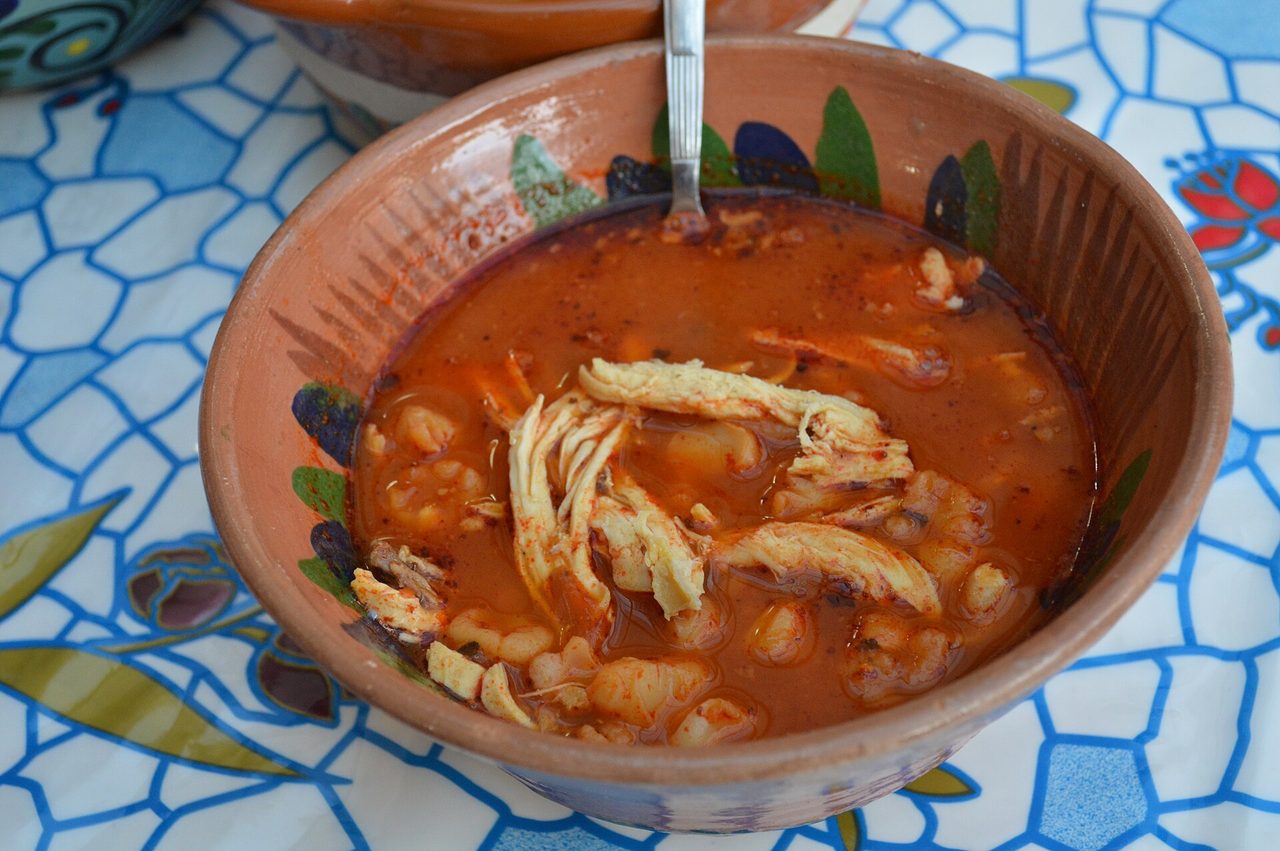
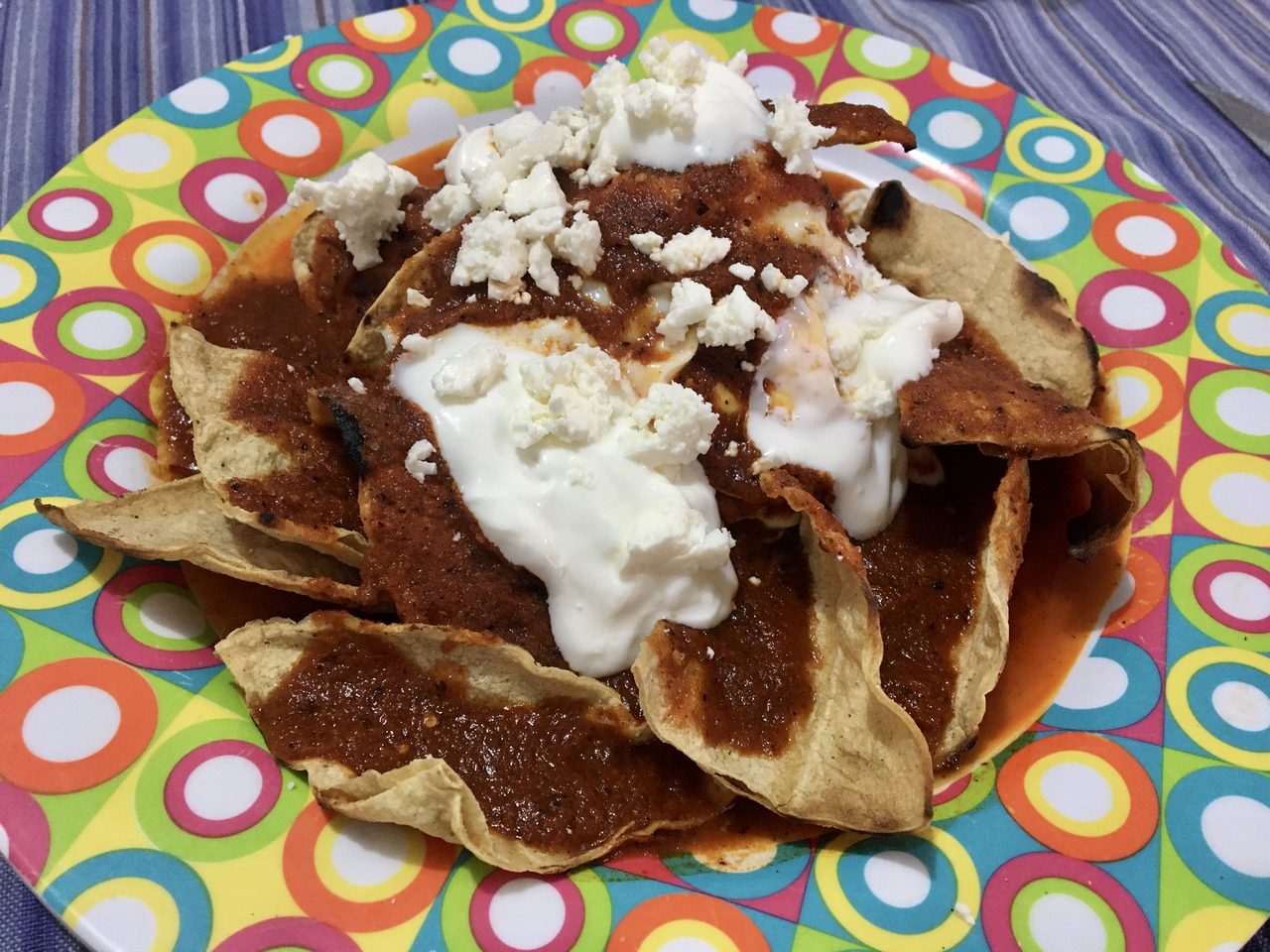
- Esquites is the same dish with the geometry changed. Cut off the cob, the surface area explodes and there is no longer anything for a coating to hold onto — so it becomes a cup, the mayonnaise becomes a dressing that everything sits in, and it needs a spoon. Pozole and chilaquiles are where the same corn goes when it is nixtamalised instead.
The basics behind this dish
- Why Sauces Split: Emulsions and Pan SaucesA cream sauce breaking and a carbonara scrambling are the same failure. Temperature and emulsifiers — plus how to bring a split sauce back.
- Blanching: Keeping Vegetables GreenBlanched vegetables go dull because of acid and heat. Why the pot should be large, why the lid stays off, and what the ice bath is really for.
- Salt: When You Add It Matters More Than How MuchThe same amount of salt either draws water out or seasons all the way through, depending on when it goes in. Osmosis, seasoning in layers, and why salt types are not interchangeable by volume.
More of the same kind


More from this country


Sign in to edit.
AI-drafted, editor-reviewed · edits: 0 ·Edit history
https://cookiki.com/en/r/elote · cookiki · User contributions are licensed under CC BY-SA 4.0.