
Photo: Gunnar Creutz · CC BY-SA 4.0
Swedish Meatballs (Köttbullar)
Sweden's classic home dish (made famous by IKEA): small meatballs browned and simmered in a creamy gravy, served with mashed potato and lingonberry jam. It's all about the sweet-savory-tart balance.
Ingredients
- Ground beef (or beef + pork)400 g
- Breadcrumbs4 tbsp
- Milk · to soak the crumbs4 tbsp
- Onion · finely chopped0.5
- Egg1
- Allspice · or nutmeg, optional0.25 tsp
- Salt & pepper1 to taste
- Butter · for frying2 tbsp
- Cream gravy
- Butter2 tbsp
- Flour2 tbsp
- Beef stock300 ml
- Heavy cream100 ml
- Soy sauce (or Worcestershire) · for umami1 tsp
- To serve
- Lingonberry jam (or cranberry)1 to serve
- Mashed potato1 to serve
Steps
- ⏲ 10 min
Soak the breadcrumbs in the milk for 5 minutes. Mix the ground meat, soaked crumbs, onion, egg, allspice, salt, and pepper gently and roll into small balls (about 3cm).
- ⏲ 9 min
Melt butter in a pan and fry the meatballs over medium heat, rolling them, until browned all over (8–10 minutes). Set aside.
- ⏲ 2 min
In the same pan, melt butter and stir in the flour; cook 1–2 minutes to make a roux.
- ⏲ 4 min
Whisk in the stock gradually until smooth, then add the cream and soy sauce and simmer until it thickens.
- ⏲ 5 min
Return the meatballs to the gravy and simmer 5 minutes to cook through and coat. Season to taste.
- ⏲ 1 min
Serve with mashed potato and a spoon of lingonberry jam.
Variations
- Beef + pork: A mix makes juicier, richer meatballs.
- Spice: Use nutmeg instead of allspice for a subtler note.
- Tangy gravy: Stir in a little sour cream.
- Pasta or potato: Great over egg noodles as well as mashed potato.
Tips
- A milk-soaked breadcrumb panade keeps the meatballs moist.
- Mix the meat gently so they don't turn tough.
- Brown the meatballs all over — color is flavor.
- Add the stock gradually for a smooth gravy.
- Lingonberry jam cuts the richness (cranberry works too).
More detail and the reasons why (4)
- Three centimetres is the design, not a style. A ball that size browns all over and cooks through in roughly the same window, so one pan does both jobs; make them twice as wide and you choose between a raw centre and a burnt crust. It also has far more surface for its weight than a patty, which is what gives the gravy something to cling to — the split from hambagu: the same mince is either flattened into a patty or rolled and served in cream. Roll them constantly in the pan rather than turning them once, or the browning ends up in stripes.
- Lingonberry is genuinely sour, and it keeps without being cooked. The berry is high in benzoic acid, which is a natural preservative — so the Swedish version is rårörda lingon, raw berries simply stirred with sugar and kept cold, not a boiled jam. That is also why it works here where a sweeter jam would not: a gravy of butter, roux and cream needs an acid sharp enough to cut it, and balancing flavour is the general case. Cranberry substitutes because it is sour in the same way; strawberry jam would just make the plate sweet.
- The teaspoon of soy sauce is a seasoning layer, and it is not a modern shortcut. Savoury depth builds up in layers, and a fermented seasoning is one of them (building umami) — a stock-and-cream gravy is mild by construction, and one teaspoon of something fermented does what another twenty minutes of browning would. Worcestershire, in the alternative, is the same move: it is a fermented anchovy sauce.
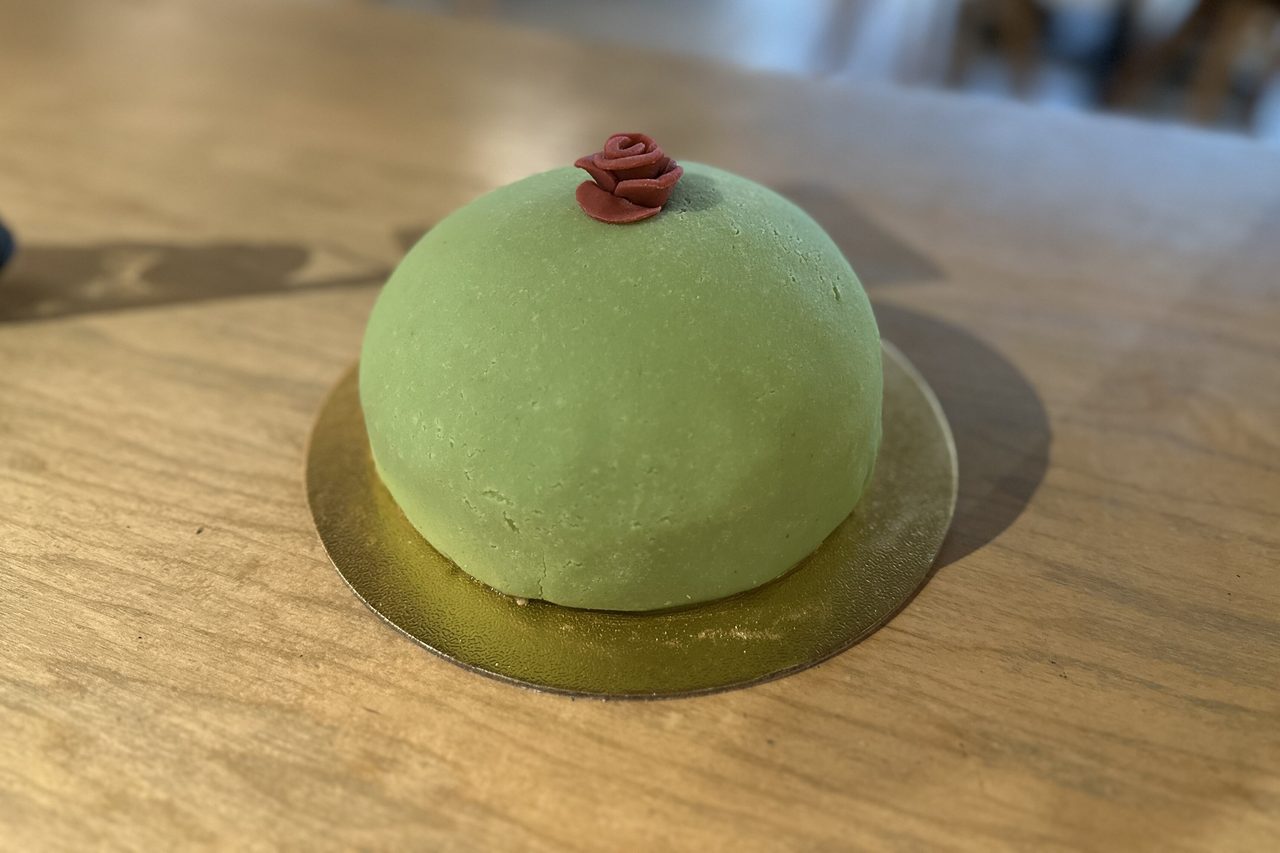
- On the Turkish story. It is often said the dish came home with Charles XII from his years in the Ottoman Empire, and Sweden's own official account has publicly called the recipe Turkish in origin. It is a good story and it is not settled history; what is certain is that meatballs in cream with potato and lingonberry are the Swedish everyday plate, the course before prinsesstårta and kanelbulle.
The basics behind this dish
- Salt: When You Add It Matters More Than How MuchThe same amount of salt either draws water out or seasons all the way through, depending on when it goes in. Osmosis, seasoning in layers, and why salt types are not interchangeable by volume.
- Browning and the Maillard ReactionMeat fails to brown for one of three reasons: it is wet, the pan is cool, or you put too much in at once. Plus how the brown film stuck to the pan becomes your sauce.
- Cooking Meat: Temperature, Resting, and Cutting Against the GrainDoneness is a core temperature, not a number of minutes. What resting actually does, how to handle a thick cut, and why the direction you slice changes the texture.
More of the same kind


More from this country


Sign in to edit.
Written with AI · how we check it · Edit history
https://cookiki.com/en/r/swedish-meatballs · cookiki · User contributions are licensed under CC BY-SA 4.0.