
Photo: JeongHO Suh (daecheonnet) · CC0
Bibim-guksu (Spicy Mixed Noodles)
Korean spicy mixed noodles — chewy somyeon rinsed cold and tossed in a sweet-sour-spicy gochujang sauce. With sour kimchi and cucumber, it's the quick summer dish for when nothing else appeals.
Ingredients
- Somyeon (thin wheat noodles) · about 180g2 servings
- Sour kimchi · chopped0.5 cup
- Cucumber · julienned0.5
- Boiled egg · halved1
- Lettuce, carrot · julienned, optional1 handful
- Sesame seeds & sesame oil · to finish
- Sauce
- Gochujang2 tbsp
- Gochugaru1 tbsp
- Vinegar2 tbsp
- Sugar · or plum syrup1.5 tbsp
- Soy sauce1 tbsp
- Minced garlic1 tsp
- Sesame oil1 tbsp
Steps
- ⏲ 30 min
Mix all the sauce ingredients. Letting it sit 30 minutes melds the flavors.
Julienne the cucumber, carrot, and lettuce, and chop the kimchi.
- ⏲ 4 min
Boil the somyeon 3-4 minutes. Splashing in a half cup of cold water as it boils up keeps the noodles springy.
- ⏲ 2 min
Rinse the cooked noodles several times in cold water to wash off the starch, then squeeze out the water firmly. This is the key to the chew.
- ⏲ 1 min
In a bowl, toss the noodles with the sauce and kimchi until evenly coated.
Plate and top with cucumber, vegetables, and the boiled egg; finish with sesame seeds and sesame oil.
Tips & Variations
Variations
- Kimchi bibim-guksu: Loaded with sour kimchi for a tangy version (the most popular).
- Chewier noodles: Use jjolmyeon or naengmyeon noodles for extra bounce.
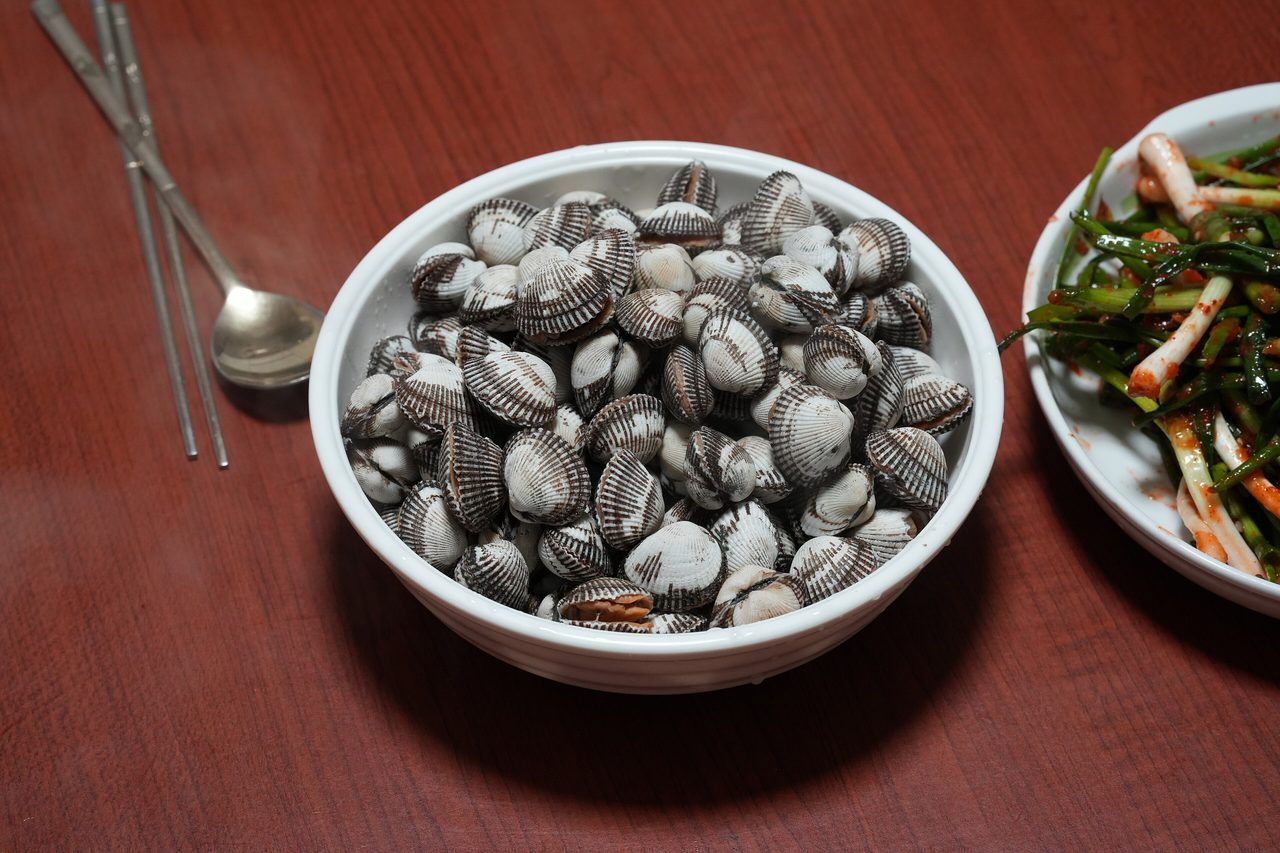
- Golbaengi: Add sea snails to make it a drinking snack.
- Yeolmu: With young-radish kimchi and a splash of its brine.
Tips
- This dish wants both halves of a rule the noodle guide writes as either/or. Cooking noodles makes rinsing a question of purpose: do not rinse when the sauce has to cling, because surface starch is the glue; rinse when it is served cold, or when springiness is the point. Bibim-guksu wants both at once, and it resolves it by changing the glue. What holds the sauce on here is not starch but the thickness of the gochujang dressing itself — which is why the last line below, about squeezing the noodles dry, is not an afterthought but the condition the dish runs on. Water left in the noodles thins the sauce, and a thinned sauce has lost the only grip it had.
- Somyeon is wheat served cold, the case the guide says cannot get there. The same guide explains why cold noodles are usually not wheat. The starch that recrystallises on cooling is amylose, and mung bean starch is over 30% amylose, so it sets firm and springy rather than soft. That is why naengmyeon is buckwheat with potato or sweet potato starch, and why the guide says flatly that no amount of careful rinsing gets a wheat noodle to that texture. So the variation below — jjolmyeon or naengmyeon noodles — is really swapping the starch. What somyeon can do is be stopped dead and stripped bare, and for that lukewarm will not do; iced water is better.
- Keep the splash of cold water. Give the chew to the next line. The line below credits a mid-boil splash with the bounce. Janchi-guksu runs the identical splash on the identical somyeon, calls it optional, and its noodles go soft in hot broth anyway — one move cannot be what makes only one of them chewy. What half a cup of cold water actually does is knock the pot off a rolling boil: somyeon sheds a great deal of starch, the foam climbs, and the splash holds it down and manages the temperature. This site uses the same move as an outright thermostat in onsen tamago — "pour in 200ml of cold water to bring it down to 68-70°C." The texture comes from the next step, the hard rinse in iced water.
- Rinsing and rubbing are not the same action. Naengmyeon separates them: "Rub them, don't just rinse them. Rinsing and rubbing between your palms are different things." Leftover surface starch clumps the strands. Golbaengi-muchim rinses the same somyeon three times in cold water and names this dish as the same handling.
- Making the sauce ahead is about sugar and garlic, not about ageing. Sugar does not dissolve into a gochujang paste on contact, and freshly minced garlic climbs over its first ten minutes rather than settling (blooming spices). Half an hour gets the sugar fully into solution so the sweetness is even, and lets the garlic's edge find its place in the sauce. Vinegar is the exception — its aroma goes off, so adjust with it at the end (balancing flavour).
- Cooking the noodles and then making the sauce is the wrong order. It is the guide's closing sentence: sauce ready first, noodles second. Somyeon keeps drinking after it leaves the pot, which is why golbaengi-muchim refuses to mix them at all — "stir somyeon into the salad and the noodles drink every bit of the dressing." Here the noodles are the subject, so they do get mixed, and tossed and eaten straight away is part of the method rather than impatience.
- Rinse the noodles hard in cold water to wash off starch so they stay firm and chewy.
- Splashing cold water into the pot while boiling makes the noodles bouncier.
- Make the sauce ahead and let it rest for deeper flavor.
- Balance the vinegar and sugar sweet-and-sour to taste.
- Squeeze the noodles dry before tossing so the sauce doesn't get watery.
The basics behind this dish
- Cooking Noodles: Salt, Starch, and Whether to RinseWhy the water is salted, why oil in it is a mistake, and the actual rule for which noodles get rinsed and which never do.
- Dough and Gluten: When to Build It and When to Avoid ItThe same flour and water becomes a dumpling wrapper or a tender pancake. The difference is whether you built gluten or avoided it — and kneading and resting do different jobs.
- Why Sauces Split: Emulsions and Pan SaucesA cream sauce breaking and a carbonara scrambling are the same failure. Temperature and emulsifiers — plus how to bring a split sauce back.
More of the same kind


More from this country


Sign in to edit.
AI-drafted, editor-reviewed · edits: 0 ·Edit history
https://cookiki.com/en/r/bibim-guksu · cookiki · User contributions are licensed under CC BY-SA 4.0.