
Photo: Matthias Meckel · CC BY-SA 4.0
Fish and Chips
Britain's national dish — white fish in a crisp, cold-beer batter with thick-cut chips. Served with malt vinegar, tartar sauce, and mushy peas; hearty and golden.
Ingredients
- White fish · cod, pollock, etc.4 fillets
- Potatoes · cut thick (chips)4
- Frying oil · plenty
- Lemon · to serve1
- Beer batter
- Cake flour1 cup
- Beer · cold lager; the fizz is key1 cup
- Baking powder1 tsp
- Salt0.5 tsp
- Flour for dredging · a little
- To serve
- Tartar sauce · mayo + pickle + onion
- Malt vinegar, mushy peas · to taste
Steps
- ⏲ 8 min
Cut the potatoes thick, rinse in cold water, and fry the first time at 130-140C just to cook them (still pale); lift out.
- ⏲ 2 min
Mix the flour, baking powder, and salt with cold beer, lightly. A few lumps are fine — keep the fizz for crispness.
- ⏲ 2 min
Pat the fish dry, dust with flour, then dip in the beer batter and let the excess drip off.
- ⏲ 5 min
Fry the fish at 180C until the outside is golden and crisp.
- ⏲ 3 min
Fry the chips a second time at 190C until crisp and golden.
Drain and salt. Serve the fish and chips together with lemon, tartar sauce, malt vinegar, and mushy peas.
Tips & Variations
Variations
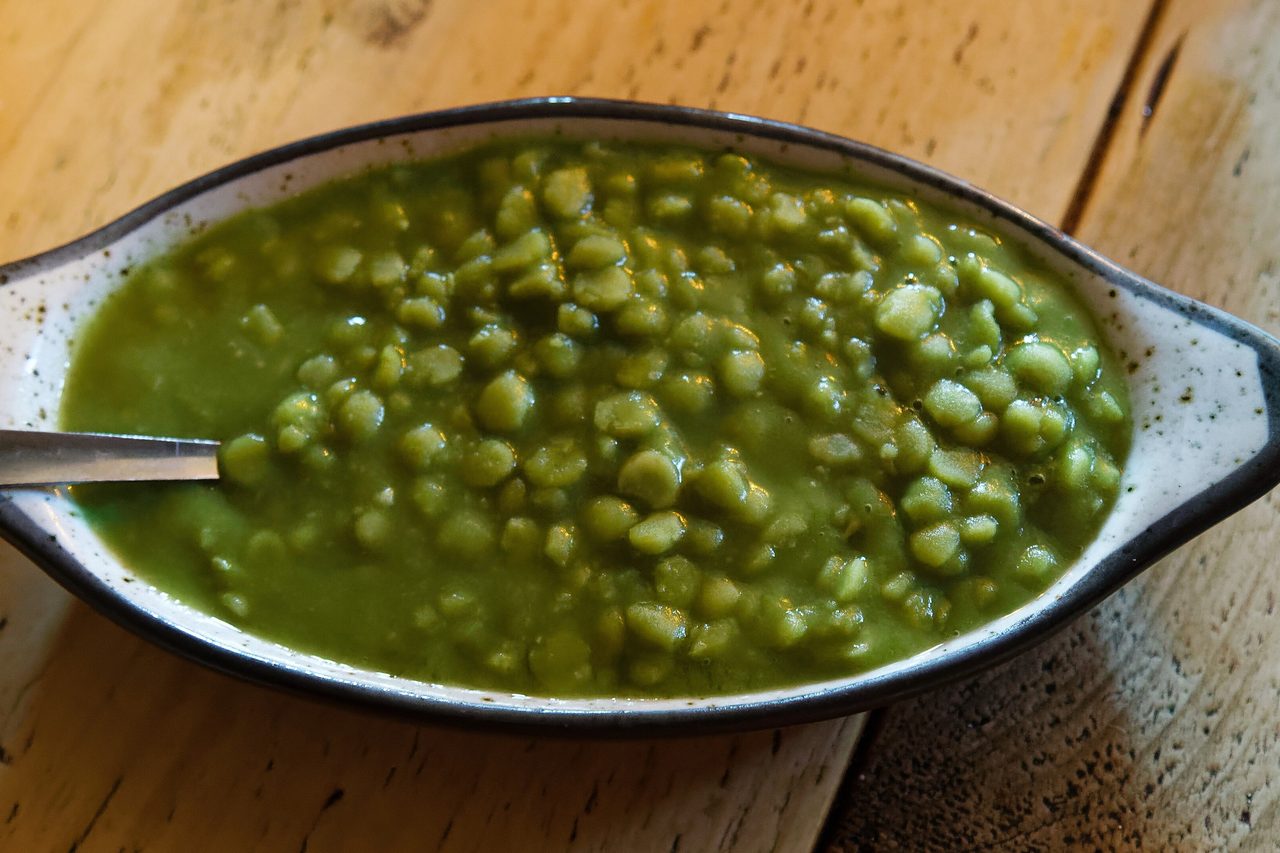
- Mushy peas: The classic British side — marrowfat peas soaked with soda and boiled until they collapse in their skins.
- Gluten-free: Use rice flour or starch for the batter.
- Air fryer: Less oil for crispness (a panko coating works well).
- Shrimp/squid: Batter-fry seafood instead of fish.
Tips
- Cold, fizzy, and made at the last second are three ways of protecting one thing. Deep frying asks for batter liquid as cold as you can get it and says why: a big temperature gap makes the surface puff violently and set open rather than dense. Carbonation reaches the same open structure by a second route — that guide names this dish for it. And the gas leaves over time, so "make it at the last second" is not a third condition; it is the shelf life of the second one.
- A thick coating becomes a crust; a thin one becomes a surface. Meunière draws that line against this dish by name: that one is dusted and cooked in butter, this one wears a batter and is submerged in oil. In its words, they are different aims, not different degrees of the same one. The same white fish, and the coating is where the two dishes part.
- Flouring the fish first is about adhesion. A wet batter slides off a wet surface. Patted dry and dusted thinly, the flour takes up whatever moisture is left and becomes a dry layer the batter can grip.
- Double-frying the chips is a different mechanism from the batter. The same guide splits the two temperatures: a first fry below 170°C cooks the interior with almost no colour, and a second around 190°C drives off the last surface moisture and browns it. The fish needs only one because the batter does that second job for itself the moment it hits the oil. Moules-frites cuts the same potato thicker and dips it in mayonnaise — two countries that both made fried potato a national food and answered it differently.
- The vinegar is a device, not a flourish. Mushy peas states the job: that side's work is to take the fat off the fried food, which is also why vinegar comes with it. (That page also notes this one calls it "the classic British side" and stops there.) Acid against fat is the adjustment in balancing flavour, and it is why a squeeze at the table works better than anything built into the batter.
- Cold, fizzy beer makes the batter crisp — flat or warm won't do it.
- Double-fry the chips: cook low, then crisp high.
- Pat the fish dry and dust with flour so the batter clings.
- Make the batter right before frying to keep the bubbles.
- A splash of malt vinegar cuts the richness — the British way.
The basics behind this dish
- Deep Frying: Temperature, Batter, and the Second FryFrying is not cooking in oil so much as trading the food's water for it. Two temperatures, what each kind of coating is for, and why the second fry exists.
- Cooking Oils: Smoke Point and What Each One Is ForWhat a smoke point actually marks, how much headroom deep frying needs, and why sesame oil and extra-virgin olive oil are finishing oils rather than cooking oils.
- Alcohol in Cooking: What It Actually DoesAlcohol is a solvent for aroma, it does not all cook off, mirin and sake and shaoxing and wine each do a different job, and there is a real substitution ratio when you have none.
More of the same kind


More from this country


Sign in to edit.
AI-drafted, editor-reviewed · edits: 0 ·Edit history
https://cookiki.com/en/r/fish-and-chips · cookiki · User contributions are licensed under CC BY-SA 4.0.