
Photo: Murilo manzini · CC BY-SA 4.0
Pao de Queijo (Cheese Bread)
Crisp outside and chewy inside, these Brazilian cheese breads are made from tapioca starch and cheese. Naturally gluten-free with no wheat flour, you just mix, roll, and bake — a Brazilian breakfast and snack-time staple.
Ingredients
- Tapioca starch · polvilho, about 250g2 cups
- Milk0.5 cup
- Water0.5 cup
- Oil · or melted butter0.33 cup
- Eggs2
- Grated cheese · parmesan, mozzarella1.5 cups
- Salt1 tsp
Steps
- ⏲ 10 min
Heat the oven to 190C and line a baking sheet with parchment.
- ⏲ 3 min
In a pan, heat the milk, water, oil, and salt until almost boiling.
- ⏲ 10 min
Put the tapioca starch in a large bowl and pour over the hot liquid, mixing fast (scalding). Lumps are fine; let it cool to warm.
- ⏲ 5 min
Beat in the eggs one at a time, then work in the cheese until you have a smooth, sticky dough.
- ⏲ 5 min
With lightly oiled hands, roll golf-ball-size rounds and space them on the sheet (or use a mini muffin tin).
- ⏲ 25 min
Bake at 190C for 20-25 minutes, until puffed and golden.
Eat warm — crisp outside and chewy within.
Variations
- Blender version: Blend everything and pour into mini muffin tins (easiest).
- Filled: Stuff with cream cheese or guava jam.
- Herb cheese: Add herbs or garlic powder to the dough.
- Mini size: Roll small for bite-size snacks.
Tips
- Tapioca starch (polvilho) is essential — flour won't give the chew.
- Scald the starch with the hot liquid to develop the signature texture.
- Adjust with more starch if too wet, more milk if too stiff.
- Best fresh from the oven — reheat in an air fryer to crisp them again.
More detail and the reasons why (4)
- Scalding is not a texture trick, it is the only structure the dough has. Tapioca starch is starch and nothing else — no protein at all, so there is no gluten to develop and nothing to knead (choosing flour). Pouring near-boiling liquid over it gelatinises part of the starch, and that gel is what binds the rest into a dough you can roll. Do it with warm liquid and you get a crumbly mixture that will not hold a ball, which is the actual answer to why "flour won't give the chew" — wheat would bring a protein network instead, and a different food.
- There is no leavening in it, and the puff is steam. No yeast, no baking powder: at 190°C the outside of each ball sets into a shell while water trapped in the gelatinised starch turns to steam and pushes it out from inside, which is why they end up hollow-ish and why they collapse a little as they cool. Éclair is the same mechanism with a set egg-and-flour shell, and chapati the same with an unleavened flatbread.
- The cheese is structural as well as flavour. Its protein and fat sit between the starch chains and keep the inside from setting rubbery — but which cheese changes the result: dairy and heat sorts cheeses by how they melt, and a very melty one flows out and leaves a flatter, greasier bun, while an aged hard cheese like parmesan holds and brings the salt. The classic pairing of the two is doing both jobs at once.
- Eat them warm, and the reason is the starch. As they cool the gelatinised starch begins to recrystallise and the chew turns to firmness — the phenomenon daifuku explains. Reheating in dry heat drives water out of the shell again, which is why an air fryer restores the crispness that a microwave cannot. Same country: coxinha.
The basics behind this dish
- Dough and Gluten: When to Build It and When to Avoid ItThe same flour and water becomes a dumpling wrapper or a tender pancake. The difference is whether you built gluten or avoided it — and kneading and resting do different jobs.
- Heat Control: Preheating, Oil, and Reading the PanThe same ingredients become a different dish depending on pan temperature. When to add the oil, how to read heat by sound, and which dishes want low heat instead.
- Knife Skills: Grip, Cuts, and Why Size MattersHow you hold the knife matters more than how fast you cut. The pinch grip, the claw hand, and why uniform size is a cooking decision rather than a cosmetic one.
More of the same kind
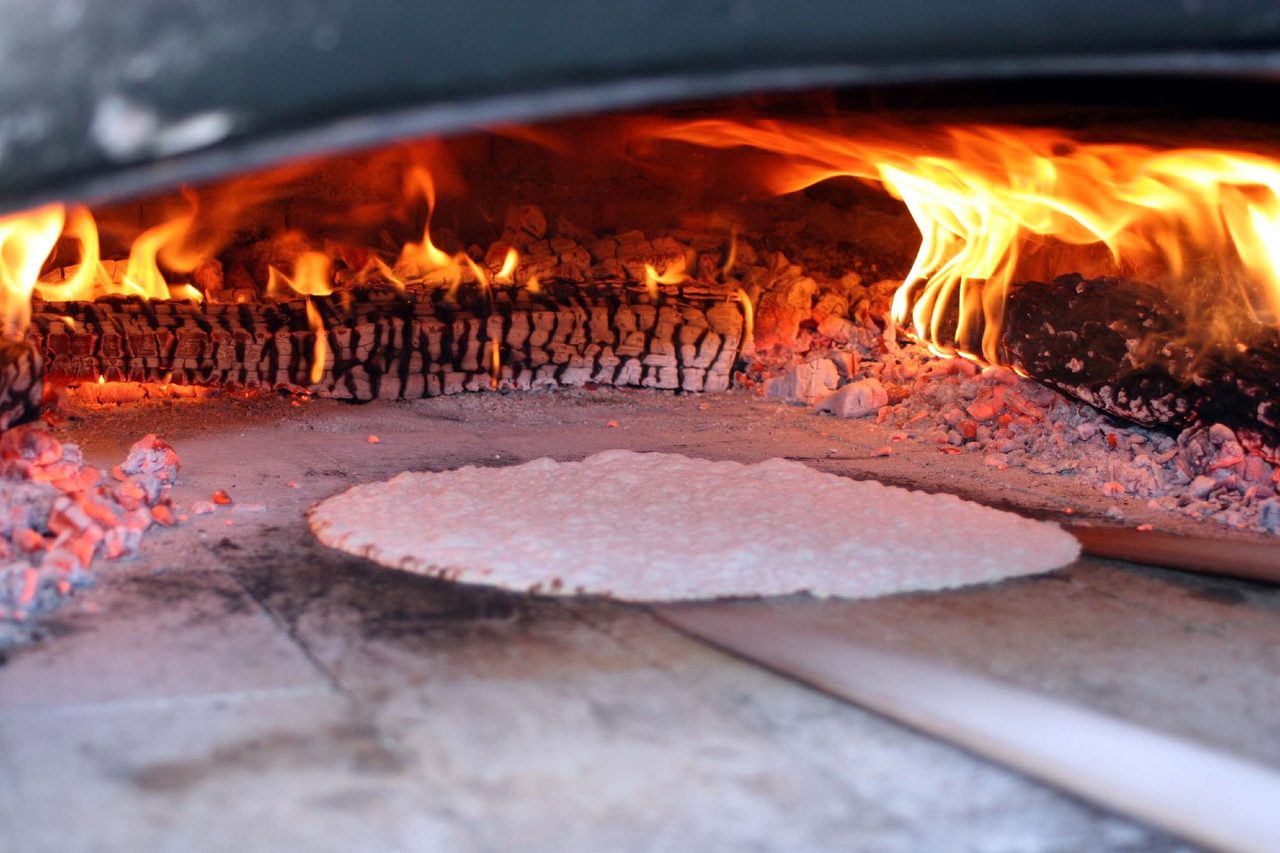
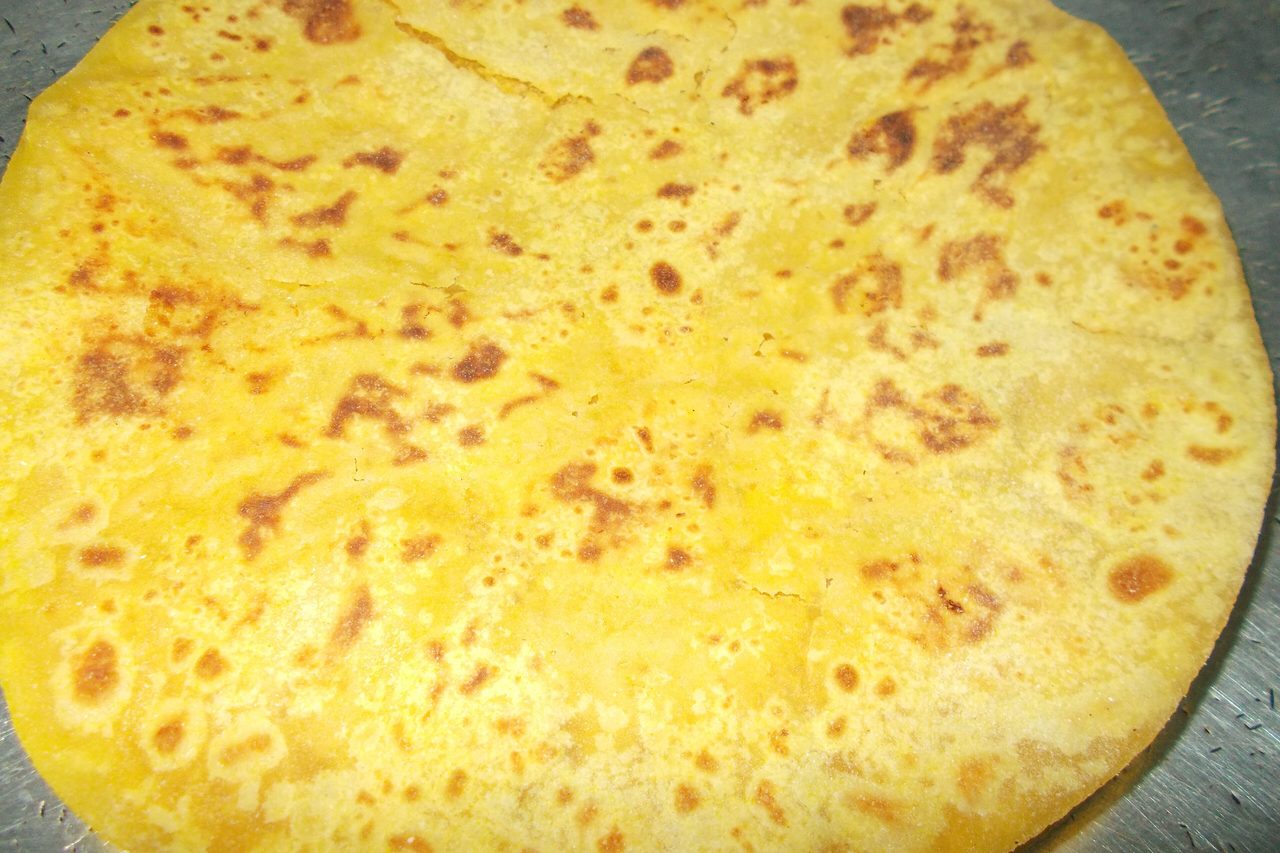


More from this country
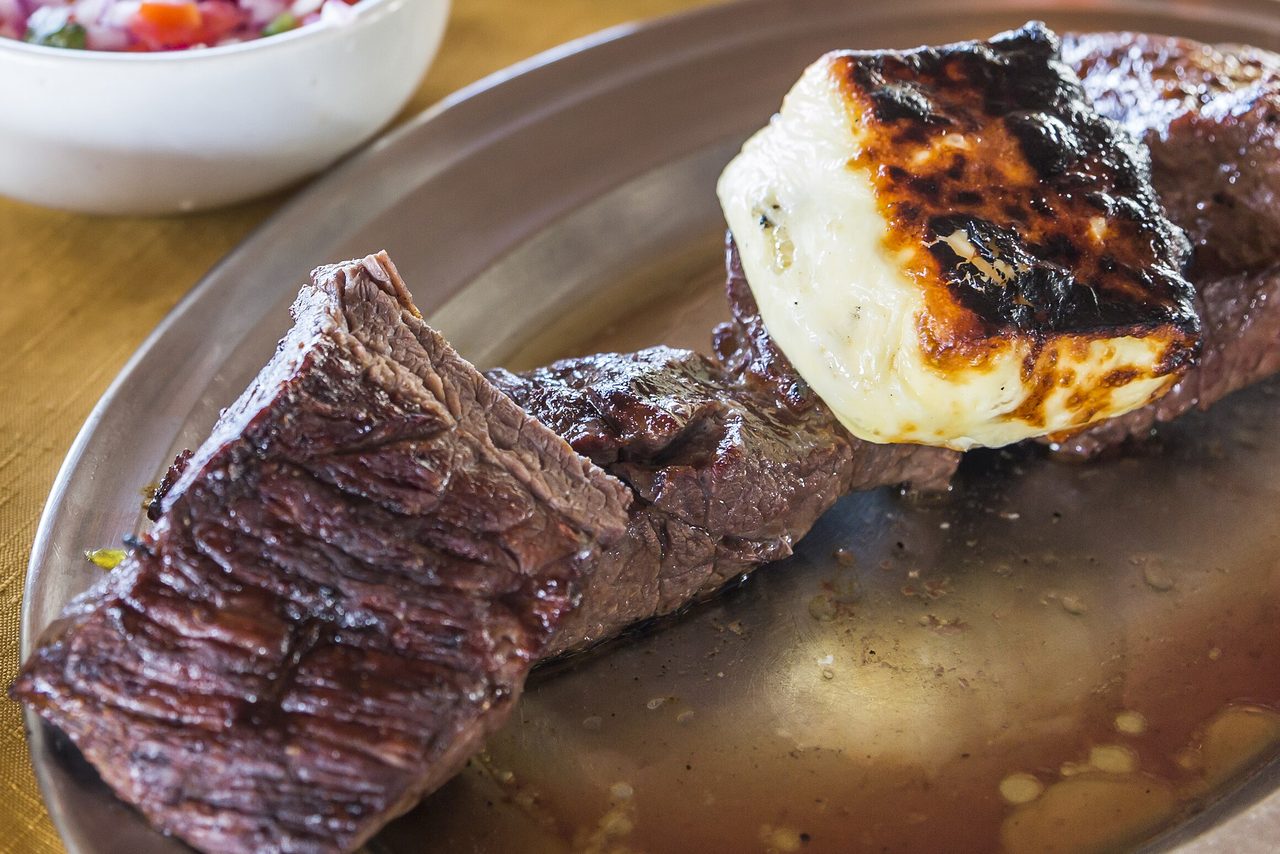
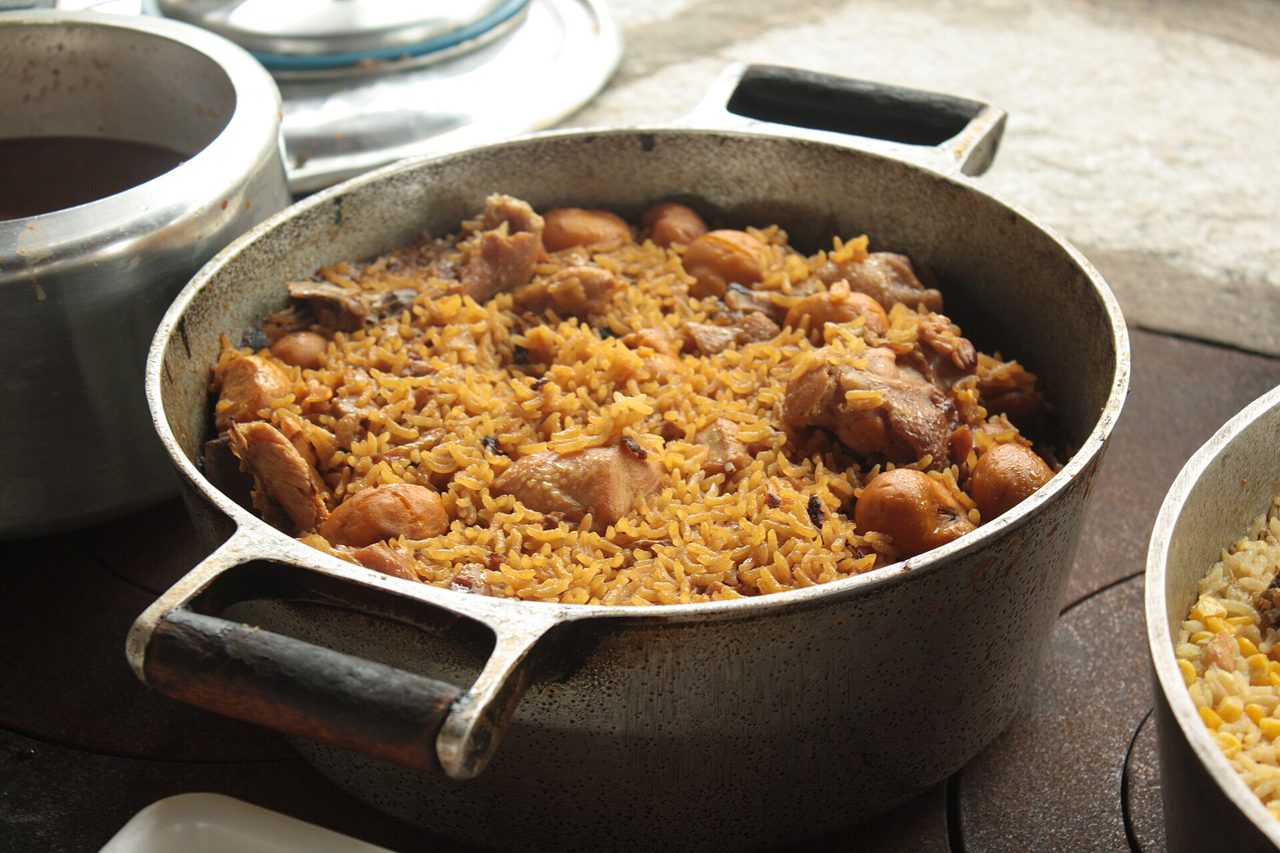


Sign in to edit.
Written with AI · how we check it · Edit history
https://cookiki.com/en/r/pao-de-queijo · cookiki · User contributions are licensed under CC BY-SA 4.0.