
Guacamole (Avocado Dip)
Mexico's classic dip — ripe avocado mashed with lime, onion, cilantro, and chili. No cooking and ready in 10 minutes. Scoop it with tortilla chips or pile it on tacos and nachos; with good ingredients, anyone can make it.
Ingredients
Steps
- ⏲ 2 min
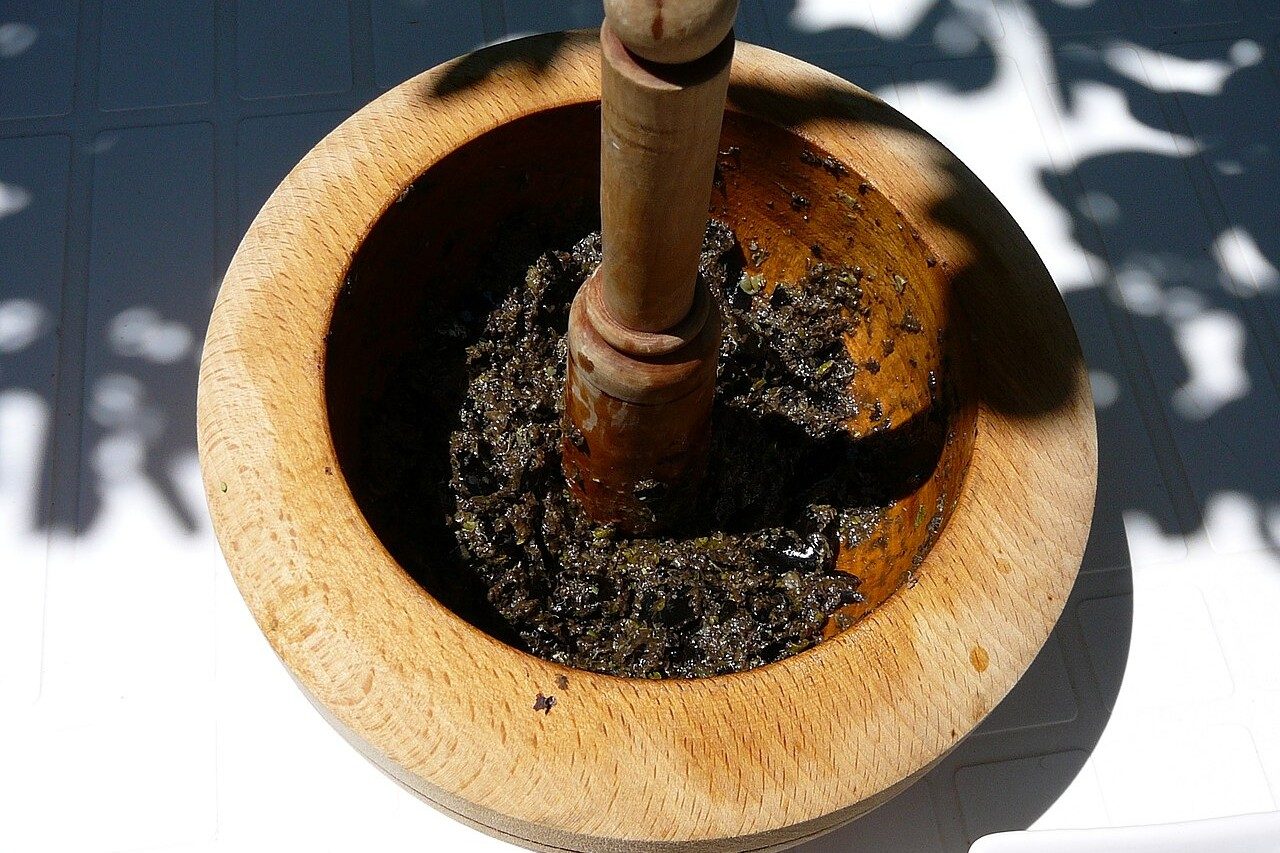
Optional: mash the onion, chili, cilantro, and salt (and garlic) in a bowl or molcajete to release their flavor.
- ⏲ 2 min
Halve the avocados, remove the pits, and scoop the flesh into the bowl.
- ⏲ 2 min
Mash with a fork to your liking — a few chunks left is traditional.
- ⏲ 30 sec
Stir in the lime juice (for brightness and to slow browning).
- ⏲ 1 min
Fold in the diced tomato and adjust salt to taste.
Serve right away with tortilla chips. Press plastic wrap onto the surface and chill any leftovers.
Tips & Variations
Variations
- Guacamole taquero: Top with minced meat or chicharrón.
- With fruit: Add mango or pomegranate for sweet-tart pops.
- Creamy version: Stir in a little sour cream or Greek yogurt.
- Hotter: Use serrano or habanero for more heat.
Tips
- The lime is doing chemistry, and browning names this dish for it. A cut avocado goes brown the way a cut apple or potato does — polyphenol oxidase meeting oxygen at the cut surface, no heat anywhere, visible in minutes. That guide sorts the answers by which of the reaction's three requirements a dish can afford to take away, and acid takes away the enzyme. So "be generous" is a dose rather than a flourish, and pressing wrap onto the surface for leftovers takes away the other one.
- Mashing releases fat, not starch, which is what "don't over-mash" is really about. The chickpea dishes set the same dial and say so: doubles crushes "about a third", chana masala "a few only; mash them all and you have hummus". What comes out of a chickpea is starch, and starch thickens. An avocado's body is fat held inside cells, so crushing it thickens nothing — past a point the mixture simply stops being textured and starts reading as greasy. The chunks are what keep this a salad instead of a spread.
- Working the onion and chilli with salt first is two mechanisms at once. Blooming spices has the clock — garlic's pungency is manufactured when the cells rupture and climbs over about ten minutes — and salt and seasoning has the osmosis, salt drawing water out of the onion and its raw bite with it. Doing both in the bowl before the avocado arrives is why a good guacamole reads rounded rather than sharp, and it is the same use of a mortar that som tam makes.
- On other plates its job is to be the cold wet thing that arrives last. Nachos keeps its fresh toppings out of the oven and chimichanga is blunt about why — "salsa, sour cream and guacamole inside are simply moisture" — so all of it goes on after the fryer. That is the same reason this is not a make-ahead dish: there is no heat in it anywhere, so the only clock running is the enzyme's.
- Ripe avocados are 90% of it — under the stem nub should be green, not brown.
- Lime juice slows browning and brightens the flavor — be generous.
- Don't over-mash; leave a few chunks for texture.
- Mashing the onion and chili with salt first mellows the heat and lifts the aroma.
- For leftovers, press wrap onto the surface and add more lime to delay browning.
The basics behind this dish
- Browning and the Maillard ReactionMeat fails to brown for one of three reasons: it is wet, the pan is cool, or you put too much in at once. Plus how the brown film stuck to the pan becomes your sauce.
- Knife Skills: Grip, Cuts, and Why Size MattersHow you hold the knife matters more than how fast you cut. The pinch grip, the claw hand, and why uniform size is a cooking decision rather than a cosmetic one.
- Salt: When You Add It Matters More Than How MuchThe same amount of salt either draws water out or seasons all the way through, depending on when it goes in. Osmosis, seasoning in layers, and why salt types are not interchangeable by volume.
More of the same kind


More from this country


Sign in to edit.
AI-drafted, editor-reviewed · edits: 0 ·Edit history
https://cookiki.com/en/r/guacamole · cookiki · User contributions are licensed under CC BY-SA 4.0.