
Photo: Weetjesman · CC BY-SA 4.0
Bun Cha (Hanoi Grilled Pork & Noodles)
Hanoi's signature dish — char-grilled pork in a sweet-sour-salty nuoc cham, eaten by dipping rice vermicelli, herbs, and greens into the bowl. Yes, the bun cha Obama and Bourdain shared.
Ingredients
- Pork shoulder/belly · thinly sliced or minced400 g
- Rice vermicelli (bun) · thin noodles200 g
- Lettuce, perilla, cilantro, mint · wrap greens & herbs1 handful
- Carrot & daikon · julienned, to pickle0.5 each
- Pork marinade
- Fish sauce2 tbsp
- Sugar1 tbsp
- Minced garlic & shallot1 tbsp
- Black pepper0.5 tsp
- Caramel or oyster sauce · color & umami1 tsp
- Nuoc cham (dipping sauce)
- Fish sauce3 tbsp
- Water · warm0.75 cup
- Sugar2 tbsp
- Lime juice · or vinegar2 tbsp
- Minced garlic & chili1 tbsp
Steps
- ⏲ 30 min
Marinate the pork in fish sauce, sugar, garlic, shallot, pepper, and caramel sauce for at least 30 minutes.
- ⏲ 10 min
Julienne the carrot and daikon and pickle them in vinegar and sugar for a tangy crunch.
- ⏲ 2 min
Nuoc cham: dissolve sugar in warm water, then mix in fish sauce, lime, garlic, and chili for a sweet-sour-salty sauce. Add the pickled vegetables if you like.
- ⏲ 5 min
Cook the vermicelli, rinse in cold water, and drain.
- ⏲ 8 min
Grill or pan-sear the marinated pork until the edges char.
Drop the grilled pork into the warm nuoc cham. Serve with the noodles, herbs, and greens — dip the noodles in the sauce and eat with the pork and herbs.
Tips & Variations
Variations
- Hanoi style: Pork sits in a bowl of warm nuoc cham; dip the noodles into it — the traditional way.
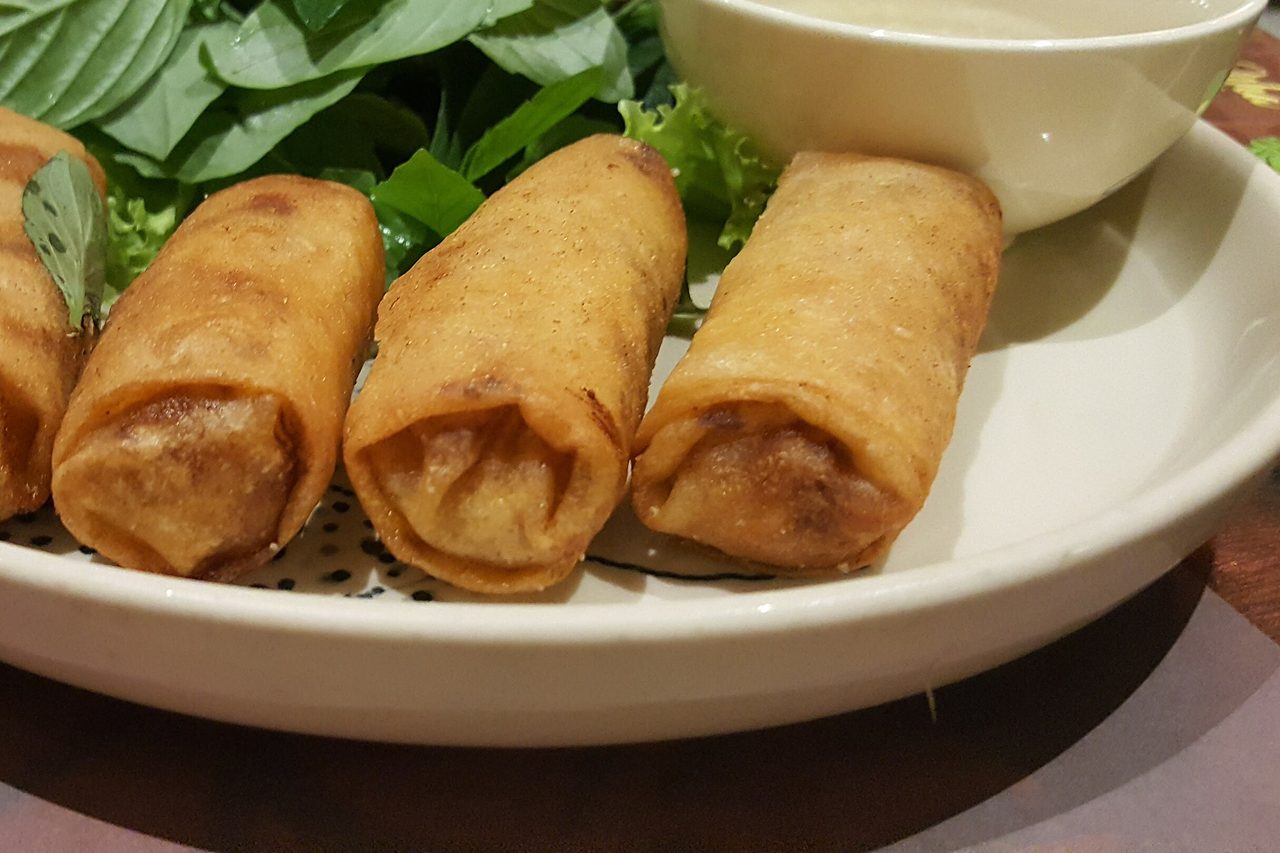
- With nem: Add fried spring rolls for bun cha nem.
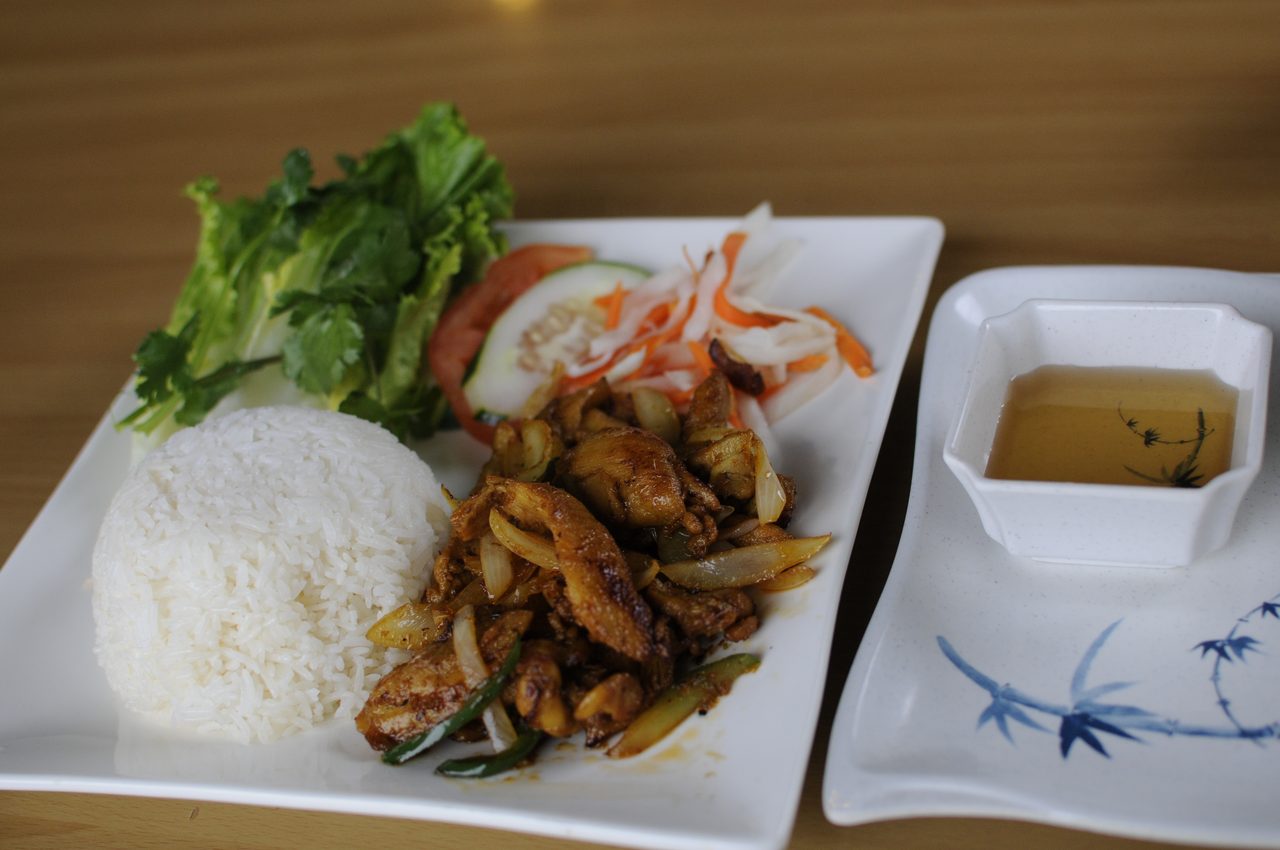
- Chicken version: Use chicken thigh instead of pork.
- Mixed bowl: Pour the pork and sauce over the noodles and toss, if you prefer.
Tips
- Putting grilled meat back into liquid is a direction the marinade guide has a name for. The last section of what marinades do covers dishes that reverse the order: leave something already cooked and porous sitting in liquid and "as it cools and contracts, it draws that liquid inward." Oden puts it in its own words — "while something porous is heating, water is being driven out of it. Off the heat and cooling, the inside contracts and pulls the surrounding broth in. So thirty minutes of simmering plus a night of cooling beats ninety minutes of simmering by a long way." Jangjorim moves the soy to after the braise entirely. Bun cha is the fast version of the same move: charred pork goes straight into a bowl of warm nuoc cham and takes sauce up while it cools at the table. Which leaves the marinade less to do. The fish sauce, garlic and pepper only have to build a surface for the fire; the seasoning that gets further in arrives afterwards, from the bowl. That is why thirty minutes is genuinely enough.
- Water is an ingredient of the nuoc cham, and that is what makes it a bath rather than a dressing. The mix is 3 tablespoons of fish sauce to three-quarters of a cup of warm water. Balancing flavour puts dilution last among the remedies, because plain water carries the dish away along with the fault. Here the dilution is the design rather than a rescue, so there is nothing being carried away. The reason it has to be is the noodles. Cooking noodles works it out through golbaengi-muchim — identical somyeon, identical dressing, and the noodles are served beside the salad "because a noodle goes on drinking after it leaves the pot and would take the dressing with it." That guide offers thickening what the noodle meets (bibim-guksu), or keeping the two apart. Bun cha fits neither description: it keeps them apart and makes the sauce thin on purpose. Contact lasts one mouthful, which is no time to drink anything, and how wet each mouthful gets is the eater's call. So the strength is set for an ingredient that will absorb an unknown amount of it.
- The caramel is sugar over a fire, which is why there is a teaspoon of it. Grilling says sugar burns around 150°C, so a sweet glaze goes on thin in the last few minutes. That is not available here: the sugar went in at the marinade and is on the meat before it ever meets the fire. So the control moves from timing to quantity — a tablespoon of sugar and a teaspoon of caramel to 400g, on slices thin enough that the pork is done before the sugar is gone. Tacos al pastor solves the same problem the same way, except that its sugar arrives in the pineapple juice in the adobo rather than as sugar.
- Grill the pork with caramel sauce (or a little sugar) for that charred-sweet edge.
- The balance of the nuoc cham is everything — fish sauce (salty), sugar (sweet), lime (sour), water (strength) to taste.
- Rinse the noodles in cold water to wash off starch so they don't clump.
- Use lots of herbs — cilantro, mint, and perilla complete the aroma.
- No grill marks? Sear hard over high heat for a smoky char.
The basics behind this dish
- Cooking Noodles: Salt, Starch, and Whether to RinseWhy the water is salted, why oil in it is a mistake, and the actual rule for which noodles get rinsed and which never do.
- Dough and Gluten: When to Build It and When to Avoid ItThe same flour and water becomes a dumpling wrapper or a tender pancake. The difference is whether you built gluten or avoided it — and kneading and resting do different jobs.
- Why Sauces Split: Emulsions and Pan SaucesA cream sauce breaking and a carbonara scrambling are the same failure. Temperature and emulsifiers — plus how to bring a split sauce back.
More of the same kind


More from this country


Sign in to edit.
AI-drafted, editor-reviewed · edits: 0 ·Edit history
https://cookiki.com/en/r/bun-cha · cookiki · User contributions are licensed under CC BY-SA 4.0.