
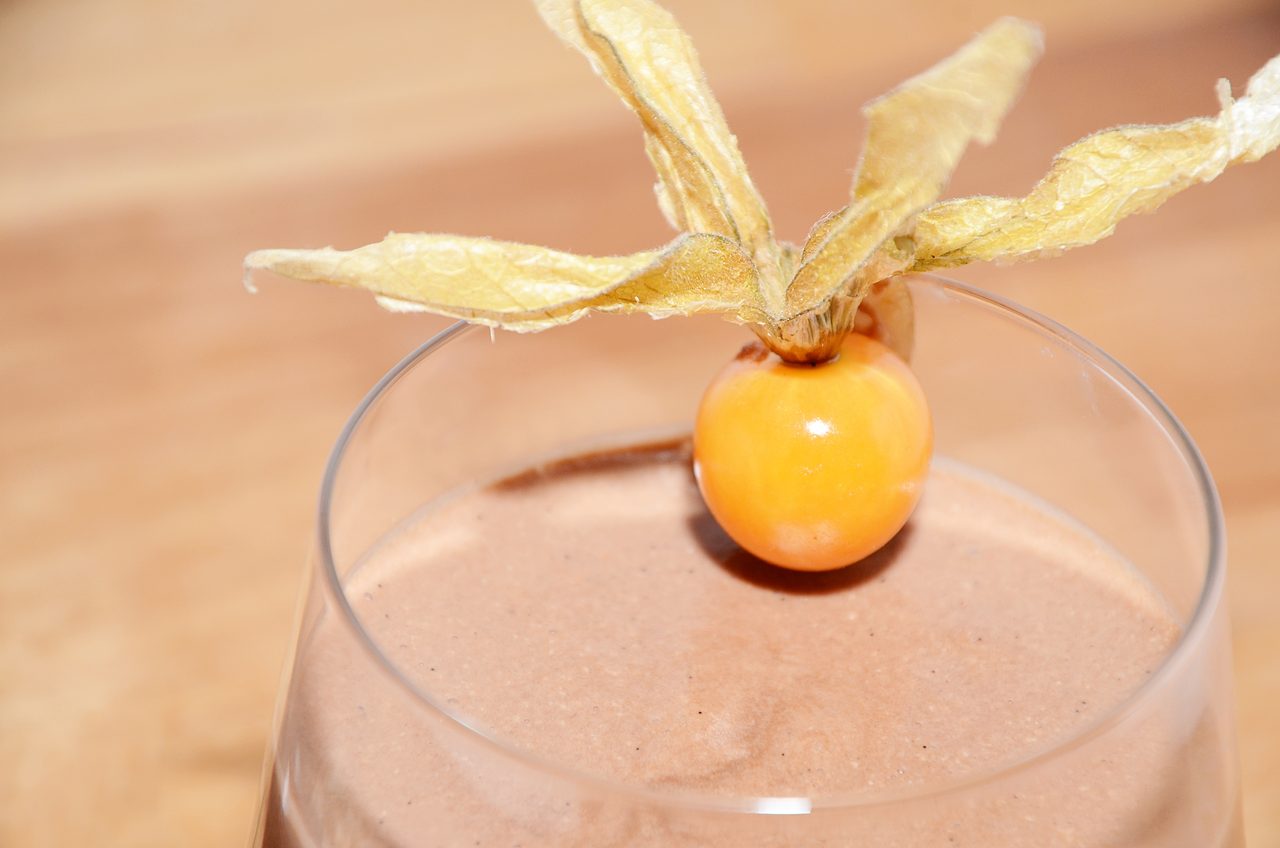
Photo: Benoît Prieur · CC0
Crème Brûlée (Baked Custard with a Burnt Sugar Crust)
A baked custard set by egg yolk alone, under a thin sheet of burnt sugar. There is no gelatine and no flour holding it together, so once it goes past its setting temperature there is no way back. You decide when to take it out by how the centre moves, not by the clock.
Ingredients
- Custard (four 150ml ramekins)
- double cream · 36% fat or above; swap in milk and you have a flan500 ml
- egg yolks · about 90g; any white that gets in makes the texture coarse5
- caster sugar60 g
- vanilla pod · split and scraped, or 1 tsp vanilla extract1
- salt1 pinch
- For the top
- caster sugar · fine granulated, 1 tsp per ramekin4 tsp
Steps
- ⏲ 15 min
Heat the oven to 150°C. Warm the cream with the split vanilla pod and its seeds until it steams at the edges, then take it off the heat and infuse for 15 minutes. Do not let it boil — boiled cream separates.
Stir the yolks, sugar and salt together only until the sugar dissolves. Do not whisk air in. Any air you add here survives the bake as foam on the surface, and foam is what stops the caramel sitting in an even sheet.
Add the hot cream to the yolks a ladle at a time, stirring continuously. Skip the slow temperature rise and pour it all in at once and the yolks cook on contact into lumps.
- ⏲ 5 min
Strain to catch the pod, the chalazae and any lumps. Skim the foam off the surface or leave it 5 minutes to subside.
Divide between the ramekins, stand them in a deep roasting tin and pour hot water into the tin to two-thirds up their sides. Water cannot exceed 100°C and it heats slowly, which stops the outside of the custard setting before the middle gets there. The bain-marie is not there to add moisture — it is there to slow things down.
- ⏲ 40 min
Bake at 150°C for 35–45 minutes. Judge it by the wobble: nudge the tin and the centre should move as one mass. If ripples travel across it, it needs longer. The centre is at 80–84°C; past 85°C the proteins tighten and squeeze water out, so the surface weeps and the texture turns grainy — and that cannot be undone.
Lift them out, cool to room temperature, cover and refrigerate at least 4 hours, ideally overnight. They have to be properly cold or the torch will melt the custard along with the sugar.
Just before serving, blot any moisture off the surface with kitchen paper, scatter 1 tsp of sugar over each and tip out whatever will not lie flat. The sugar layer has to be thin — a thick one sets into a slab that will not crack under a spoon, and it tastes bitter.
Hold the torch about 5cm off the surface and keep it moving in circles. The sugar bubbles, settles, and is done when it goes deep amber. Hold it in one place and that spot burns. Without a torch, use the grill at its highest setting, but sit the ramekins in a tray of iced water to protect the custard.
- ⏲ 1 min 30 sec
Give the caramel a minute or two to set and serve immediately. Tapped with the back of a spoon it should crack.
Tips & Variations
Variations
- Crema catalana: often confused with this because it looks the same, but it is made differently — thickened with starch in a pan rather than baked, using milk, and flavoured with lemon zest and cinnamon. A custard set by egg alone and one set by starch are different preparations, not two names for one.
- Coffee or tea: infuse 15g of espresso beans or 8g of black tea leaves with the cream and strain after 15 minutes. Earl Grey, hojicha and roasted barley all work the same way.
- Chocolate: melt 60g dark chocolate into the hot cream and cut the sugar to 45g. The cocoa solids add structure, so it sets about 5 minutes sooner.
- Without an oven: the ramekins can be steamed over a low heat for 20–25 minutes. Cover each one with foil, or condensation dripping off the lid will pit the surface.
- Powdered flavourings like matcha or hojicha must be whisked into the cream and then strained; undissolved powder stays as lumps.
Tips
- The wobble decides, not the clock. Ovens and ramekin thickness move the time by ten minutes or more, so start checking at 35. Out it comes when the centre moves as one mass; residual heat finishes it.
- Past 85°C it is over. A yolk custard sets at 80–84°C and coagulates too far above that, squeezing out water. There is no gelatine or starch here as insurance, so temperature is the whole game (cooking eggs).
- The bain-marie is a brake, not a humidifier. Water cannot exceed 100°C, so the outside of the ramekin never runs far ahead and the edge and the centre set at roughly the same rate.
- Whisk in no air. Air beaten into the yolks survives as foam on the surface and leaves the caramel layer lumpy. Straining and five minutes of standing removes most of it.
- Do not swap in milk. The fat blunts the eggy flavour and gives the texture that coats the tongue; made with milk this becomes something closer to a steamed egg custard (dairy and heat).
- Fine sugar on top, thinly. Coarse sugar does not melt evenly, so some of it scorches while some stays granular. The browning here is caramelisation of sugar alone, not a Maillard reaction (browning and the Maillard reaction, what sugar does).
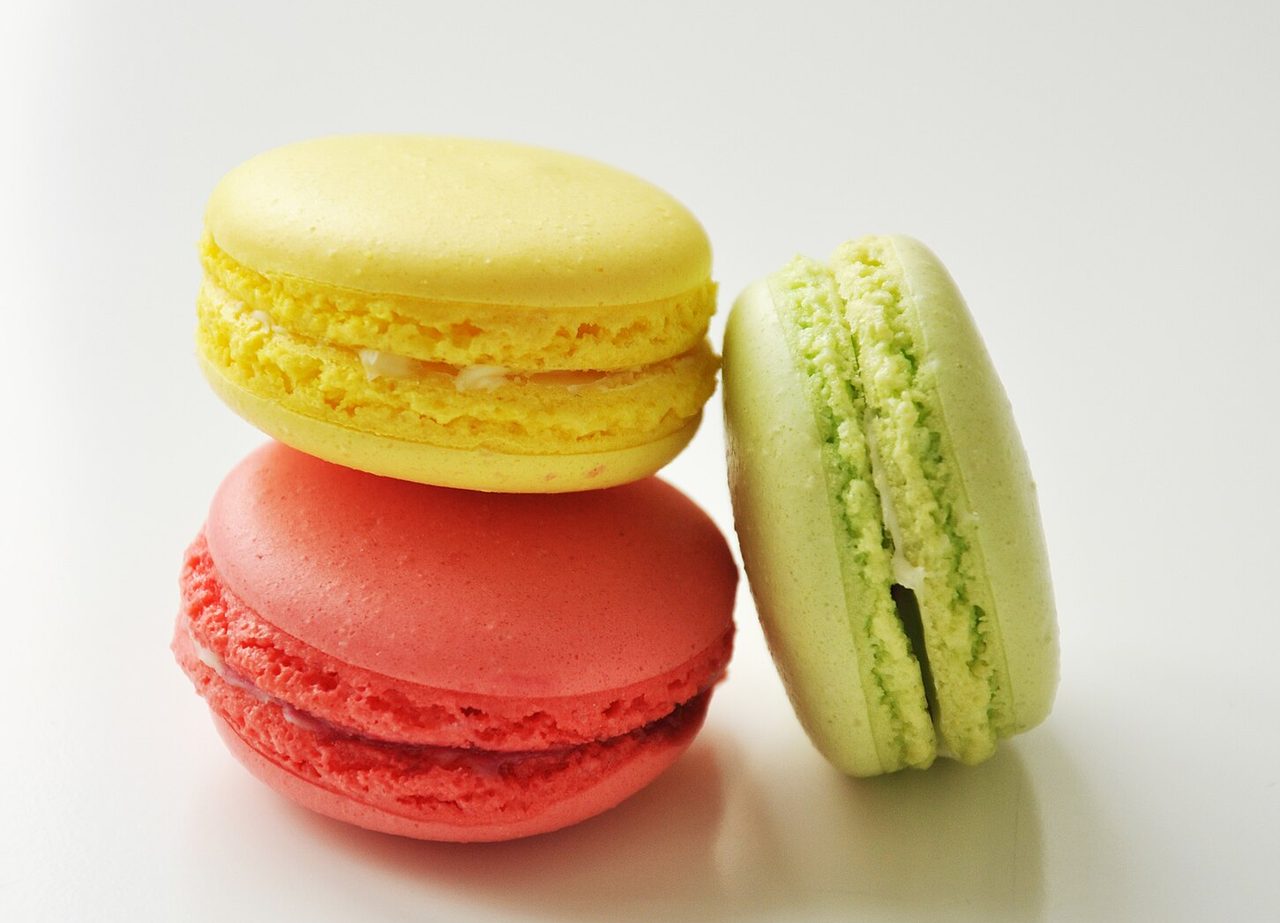
- Torch it at the last minute. The crust draws moisture out of the custard and dissolves within 20–40 minutes. A macaron needs 24 hours for exactly that migration to happen; here the same process is the enemy.
- Shallow and wide beats deep. More crust per spoonful and a more even bake. Deep ramekins take longer and set late in the middle, which is how the edges get overcooked.
- Not to be confused with panna cotta, which is set with gelatine and no egg, so it is never baked and cannot fail on temperature. In the other direction, a pastel de nata is the same egg custard baked fast and hot to blister the top on purpose — there the scorching is the point, and here avoiding it is.
- Keeping them: covered and untorched, 3 days in the fridge. Once torched they do not keep. For guests the standard move is to bake the day before and caramelise only as they go to the table.
- History: the earliest known printed recipe under the name crème brûlée is in François Massialot's cookbook of 1691. Trinity College, Cambridge and its "burnt cream" come up often, but the surviving record there is 19th-century and the claim to anything earlier has no documentary support.
The basics behind this dish
- Eggs: Coagulation Temperatures and What They DecideWhite sets at 62°C, yolk at 68°C. Those two numbers explain scrambled eggs, boiled eggs, steamed custard and crème anglaise all at once.
- Why Sauces Split: Emulsions and Pan SaucesA cream sauce breaking and a carbonara scrambling are the same failure. Temperature and emulsifiers — plus how to bring a split sauce back.
- Knife Skills: Grip, Cuts, and Why Size MattersHow you hold the knife matters more than how fast you cut. The pinch grip, the claw hand, and why uniform size is a cooking decision rather than a cosmetic one.
More of the same kind



More from this country
French →


Sign in to edit.
AI-drafted, editor-reviewed · edits: 0 ·Edit history
https://cookiki.com/en/r/creme-brulee · cookiki · User contributions are licensed under CC BY-SA 4.0.