
Photo: Tangopaso · Public domain
Quenelle de Brochet (Pike Dumplings Baked in Crayfish Sauce)
The pike quenelle of Lyon and the Dombes: a paste of flour cooked in water and dried out in the pan, worked with fish and egg, shaped into long dumplings, poached, then baked under a crayfish sauce (sauce Nantua) until it doubles in size.
Ingredients
- Panade
- water or milk250 ml
- butter60 g
- plain flour125 g
- salt0.5 tsp
- Quenelle paste
- pike fillet · skinned and boned; or cod, hake or whiting300 g
- eggs3
- soft butter60 g
- nutmeg1 pinch
- white pepper1 pinch
- Sauce Nantua
- crayfish or prawns · shell on300 g
- butter30 g
- carrot, celery and onion · finely chopped1 handful
- cognac2 tbsp
- tomato paste1 tbsp
- double cream300 ml
- water300 ml
Steps
- ⏲ 5 min
Panade: bring the water (or milk), butter and salt to the boil, tip in the flour at once and stir with a wooden spoon. When it comes away from the pan in one mass, keep stirring 2-3 minutes more to dry it out, until a thin film forms on the base. Spread it out to cool.
- ⏲ 60 min
Blend the fish fine in a food processor. Add the cooled panade and blend, then the eggs one at a time, blending smooth after each, then the soft butter, salt, nutmeg and white pepper. Cover and chill for at least an hour.
- ⏲ 30 min
Sauce: fry the crayfish (or prawns) in their shells in the butter until red, add the vegetables and tomato paste and fry. Pour in the cognac and reduce, then add the water and simmer 20 minutes. Press through a sieve, add the cream and reduce until it coats a spoon. Pick the meat from the shells and keep it.
- ⏲ 10 min
On a floured board roll the paste into cylinders about 10cm long, or shape them between two spoons.
- ⏲ 10 min
Keep a wide pan of salted water just below the boil and poach the quenelles for 10 minutes. When they float and feel springy, lift them out and drain. A rolling boil cracks the surface.
- ⏲ 20 min
Set them apart in a buttered baking dish and cover with the sauce and crayfish meat. Bake at 200°C for 20 minutes, until they have roughly doubled and the top is golden. Serve at once.
Variations
- Plain quenelles. Made with panade, butter and egg and no fish at all; common in Lyon.
- In tomato sauce or béchamel. Other sauces replace the crayfish.
- Chicken quenelles. The same method with minced chicken breast.
- With beef suet. The old method used chopped raw beef fat instead of butter.
Tips
- Dry the panade out. Until a film forms on the base of the pan.
- Add the eggs one at a time. All at once and the paste goes slack.
- Shape it cold. Soft paste will not hold a shape.
- Poach just below the boil. A rolling boil cracks the surface.
- Leave room in the dish. They double in size as they bake.
More detail and the reasons why (2)
- A fish paste whose frame is not the fish. Kamaboko rinses white fish again and again until only muscle protein is left, and salt and heat set that springy: the fish is the structure. A quenelle is the reverse. According to French Wikipedia, at Nantua the paste need be only 22% pike, and the rest of the body is a panade of flour cooked in water and dried out, plus egg. So it cooks soft rather than bouncy, and baked in its sauce it doubles. Drying the panade in the pan is the same move as the choux paste for an éclair.
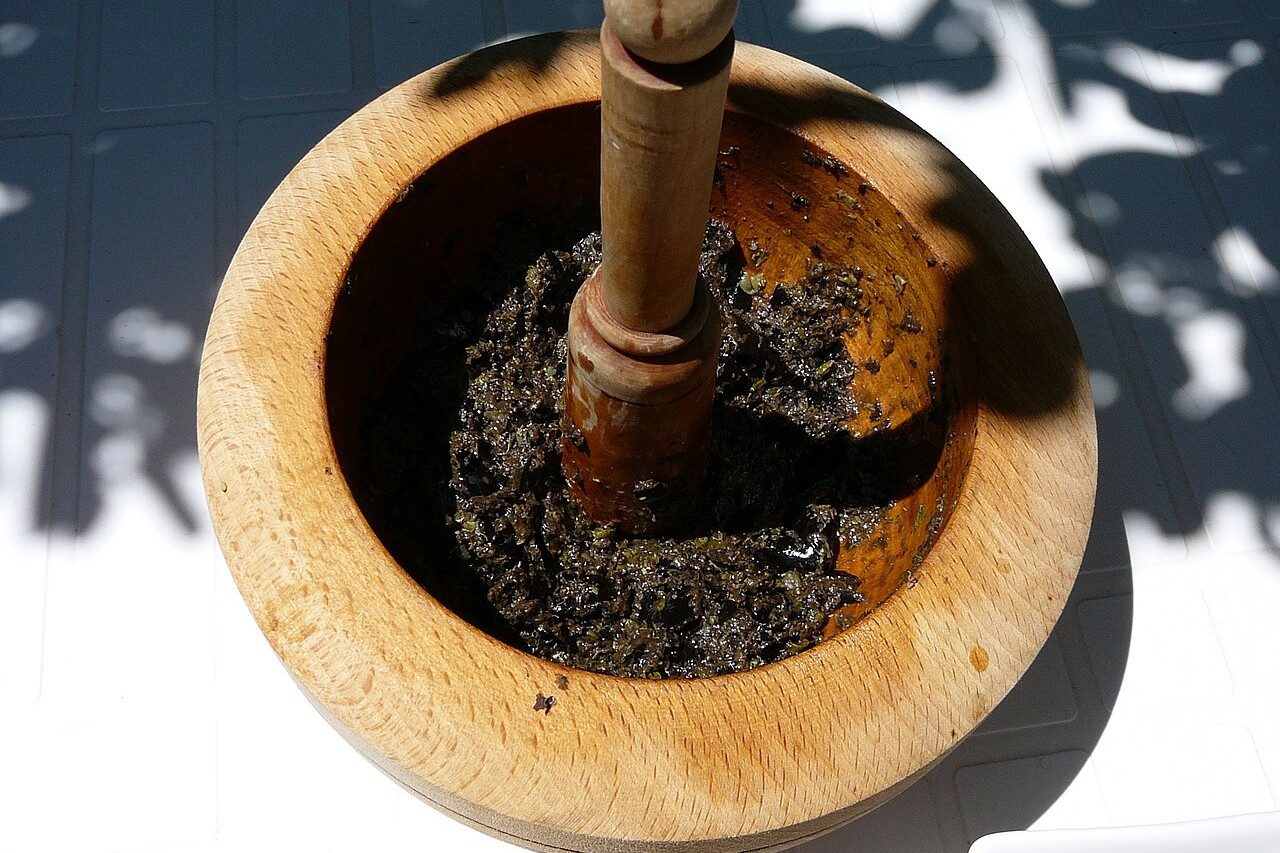
- A fish that could not travel. The same article says the pike quenelle began as a way of dealing with the pike of the Dombes ponds, which could not otherwise be transported. The boned flesh was pounded in a stone mortar with the panade, raw beef fat and eggs added a little at a time, for thirty to forty minutes.
The basics behind this dish
- Browning and the Maillard ReactionMeat fails to brown for one of three reasons: it is wet, the pan is cool, or you put too much in at once. Plus how the brown film stuck to the pan becomes your sauce.
- Cooking Meat: Temperature, Resting, and Cutting Against the GrainDoneness is a core temperature, not a number of minutes. What resting actually does, how to handle a thick cut, and why the direction you slice changes the texture.
- Knife Skills: Grip, Cuts, and Why Size MattersHow you hold the knife matters more than how fast you cut. The pinch grip, the claw hand, and why uniform size is a cooking decision rather than a cosmetic one.
More of the same kind


More from this country


Sign in to edit.
Written with AI · how we check it · Edit history
https://cookiki.com/en/r/quenelle-de-brochet · cookiki · User contributions are licensed under CC BY-SA 4.0.