
Quindim (Coconut Yolk Custard with a Glassy Top)
A small Brazilian custard of egg yolks, sugar, grated coconut and melted butter, baked in a water bath in a mould buttered and sugared, then turned out so that a coconut layer carries a shining yellow top. Crème brûlée disperses its yolks in cream and crème caramel in milk; quindim has no liquid to disperse them in at all. So in the oven the mixture parts into coconut and yolk, and one bake comes out as two layers.
Ingredients
Steps
Heat the oven to 170°C. Butter the insides of 12 small moulds thoroughly, sprinkle in the sugar, roll it round and tip out the excess.
Mix the grated coconut with the sugar and melted butter until every shred is coated.
- ⏲ 10 min
Push the yolks through a fine sieve to catch the cords and membranes. Pour them onto the coconut and fold slowly with a spatula so no foam forms. Leave 10 minutes for the sugar to dissolve and the bubbles to settle.
Fill the moulds four-fifths full. Stand them in a deep roasting tin and pour hot water to halfway up their sides.
- ⏲ 38 min
Bake 35-40 minutes, until the top is set, a fingertip pressed in the middle comes away clean, and a shake makes the whole thing wobble as one mass.
- ⏲ 120 min
Lift them out of the water, cool, and chill for at least 2 hours.
Run a small knife round the edge and turn each out onto a plate. The face that was the bottom of the mould is now the shining top.
Tips & Variations
Variations
- Brisa do Lis: the Portuguese pudding ko.wikipedia calls almost the same thing. It uses ground almond instead of coconut and adds the sugar as a syrup boiled first. It is one of Portugal's convent sweets.
- Quindão: the same mixture baked in one large ring mould. The bigger it is, the longer the water bath takes.
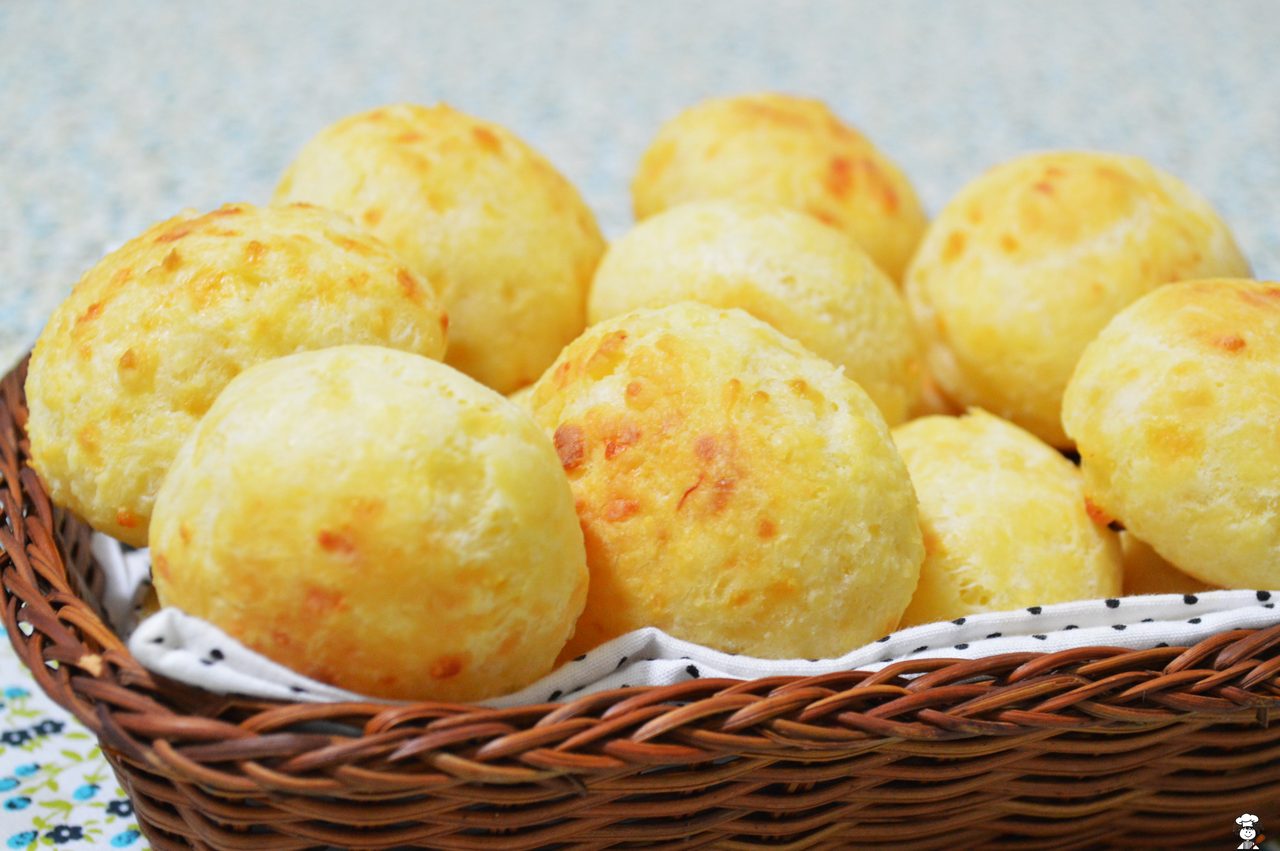
- The shape in the photograph: those were baked in small moulds with a hollow in the centre. The shape of the mould becomes the top.
- The whites: twelve are left over. Meringue, or any sweet made with whites only, takes them.
Tips
- A custard with nothing to disperse the yolks in. Crème brûlée sets its yolks in cream and crème caramel in milk. Crème caramel's Philippine variation, leche flan, is "made with condensed and evaporated milk and yolks only", but those yolks are still in milk, and the kaya on kaya toast is "a jam of coconut milk, egg and pandan". Quindim has none of that liquid. Apart from the melted butter and what the coconut holds, the only water in the mixture is the yolks' own, which is why it bakes denser and glossier than those custards.
- Which is why it parts into two layers in the oven. With no liquid to hold the coconut shreds in suspension, the coconut usually separates from the yolk mixture as it bakes and gathers into a layer at the top of the mould. Turned out, that layer is the base, and the yolk and sugar that set against the floor of the mould are the shining top. Two layers from one pour, with nothing poured twice.
- The water bath is a brake here too, exactly as crème brûlée uses it: "Water cannot exceed 100°C, so the outside of the ramekin never runs far ahead and the edge and the centre set at roughly the same rate." The same page adds: "A yolk custard sets at 80–84°C and coagulates too far above that, squeezing out water." Quindim, with sugar close to the weight of the yolks, bakes for longer, but the test for taking it out is the same: the whole thing wobbles as one mass.
- Why the mould is buttered and sugared. It is turned out, so first it has to release, and the face that set against the mould is the face everyone sees. The butter does the releasing and the sugar smooths that face. Sugar left loose in the mould leaves grains in the top, so tip the excess out.
- Whisk in no air. As crème brûlée warns, "Air beaten into the yolks survives as foam on the surface" and sets that way. Here that surface ends up underneath once it is turned out, but bubbles spread through the mixture leave holes in the shining face. Sieving the yolks and letting the mixture stand ten minutes is what stops it.
- Turn it out cold. Warm, the yolk layer that will be the top is still soft. Two hours in the fridge and it stands up when inverted.
The basics behind this dish
- Eggs: Coagulation Temperatures and What They DecideWhite sets at 62°C, yolk at 68°C. Those two numbers explain scrambled eggs, boiled eggs, steamed custard and crème anglaise all at once.
- Why Sauces Split: Emulsions and Pan SaucesA cream sauce breaking and a carbonara scrambling are the same failure. Temperature and emulsifiers — plus how to bring a split sauce back.
- Knife Skills: Grip, Cuts, and Why Size MattersHow you hold the knife matters more than how fast you cut. The pinch grip, the claw hand, and why uniform size is a cooking decision rather than a cosmetic one.
More of the same kind


More from this country


Sign in to edit.
AI-drafted, editor-reviewed · edits: 0 ·Edit history
https://cookiki.com/en/r/quindim · cookiki · User contributions are licensed under CC BY-SA 4.0.