
Photo: DragonSamYU · CC BY-SA 4.0
Wonton Noodles (Prawn Wontons over Thin Egg Noodles in Clear Broth)
Prawn wontons and very thin egg noodles in a clear broth, from Guangdong. Two rules make it Cantonese rather than generic: the noodles boil for only 20-30 seconds and are shocked in cold water to set their spring, and the wontons go into the bowl first so the noodles sit above them, out of the soup.
Ingredients
- Serves 2
- Broth
- pork bones · soaked 30 minutes in cold water500 g
- dried flounder · dai dei yu — this is what makes the broth Cantonese; 2 tbsp more dried shrimp instead1 fish
- dried shrimp1 tbsp
- ginger3 slices
- spring onion1 stalk
- water2 L
- salt · at the end, with the white pepper, so the broth stays clear to taste
- white pepper0.25 tsp
- Wontons (makes 12)
- wonton wrappers · thin egg wrappers, much thinner than dumpling skins12
- raw prawns · half left whole, half coarsely chopped200 g
- minced pork · belly; the fat is what keeps it juicy60 g
- potato starch1 tsp
- sesame oil1 tsp
- salt0.5 tsp
- sugar · it lifts the sweetness of the prawns0.5 tsp
- white pepper0.25 tsp
- Noodles and garnish
- thin egg noodles · Cantonese wonton noodles; pick the finest you can find200 g
- gai lan · or pak choi or choy sum; blanched separately4 stalks
- chives · yellow chives if you can get them, finely cut1 handful
- fried garlic · optional, for aroma1 tsp
Steps
Soak the pork bones 30 minutes in cold water, then blanch them once, discard that water and rinse. That is what lets the broth come out clear.
- ⏲ 3 min
Toast the dried flounder in a dry pan or the oven for 3 minutes, until fragrant. Untoasted it contributes only fishiness — this single step is what makes the broth Cantonese.
- ⏲ 90 min
Put 2L of water in a pot with the bones, the toasted flounder, dried shrimp, ginger and spring onion. Bring it up, then drop to a bare simmer for 1½ hours. Do not let it boil — hard boiling clouds the broth.
Strain and season with salt and white pepper. No soy sauce. This broth has to stay clear, and colouring it makes a different dish.
Make the wonton filling. Dry the prawns, leave half whole and chop half coarsely, and stir with the pork, starch, sesame oil, salt, sugar and white pepper in one direction until sticky.
Put a teaspoon of filling in the centre of a wrapper, wet the edge, and close your fist around it. The Cantonese shape is gathered loosely at the top rather than folded flat, leaving a tail that waves in the broth — hence "goldfish". Press out the air and seal only the base firmly.
- ⏲ 3 min
Blanch the gai lan in boiling water and set it aside. Boil the wontons in plenty of water for 2-3 minutes, until they float and the wrappers turn translucent. Never cook them in the broth itself — the starch they shed clouds it.
- ⏲ 30 sec
With that same water at a hard boil, cook the noodles for 20-30 seconds only. Loosen them with chopsticks and do not go past it. Cantonese thin noodles are alkaline and cook very fast.
- ⏲ 5 sec
Rinse the noodles in cold water immediately to stop them. That cold shock is the step that sets their spring; skip it and they keep cooking in the bowl and turn soft. Then dip them back into the boiling water for 5 seconds to reheat.
Wontons into the bowl first, noodles on top of them. The other way round, the noodles sit in the soup and soften while you eat. Pour in hot broth to about half the depth of the noodles, add the gai lan, chives and fried garlic, and serve at once.
Tips & Variations
Variations
- Hong Kong sai yung (細蓉): a small bowl with four wontons and a single nest of noodles is the Hong Kong standard, and the reason for the small portion is explicit — you are meant to finish it before the noodles soften. If you want more, order a second bowl.
- Bamboo-pole noodles (竹昇麵): dough made with duck egg and no water at all, pressed by a maker bouncing on a bamboo pole. The result is unusually springy and fine. Hard to reproduce at home, so buy the thinnest Cantonese noodle you can find (dough and gluten).
- Dry-style (乾麵): the broth comes on the side and the noodles are tossed in oyster sauce and sesame oil. With the noodles never sitting in soup, the spring lasts longest of all.
- Malaysian and Singaporean wantan mee: dry noodles tossed in soy, lard and dark soy, topped with char siu and pickled chillies, with the broth and wontons served separately. Nearly a different dish from the Hong Kong one.
- Without dried flounder: increase the dried shrimp and add a little dried scallop. Less of that particular aroma, but the same direction of savouriness (building umami).
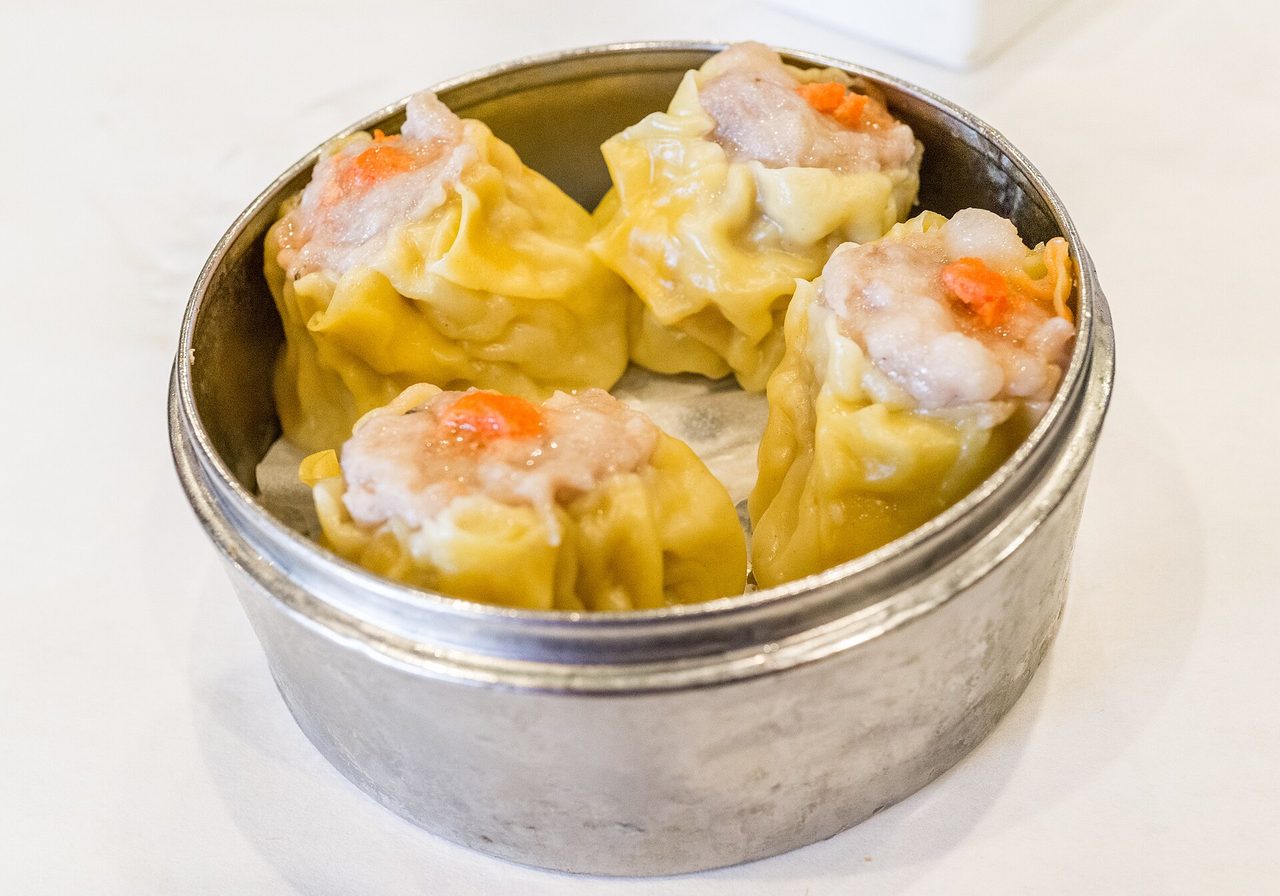
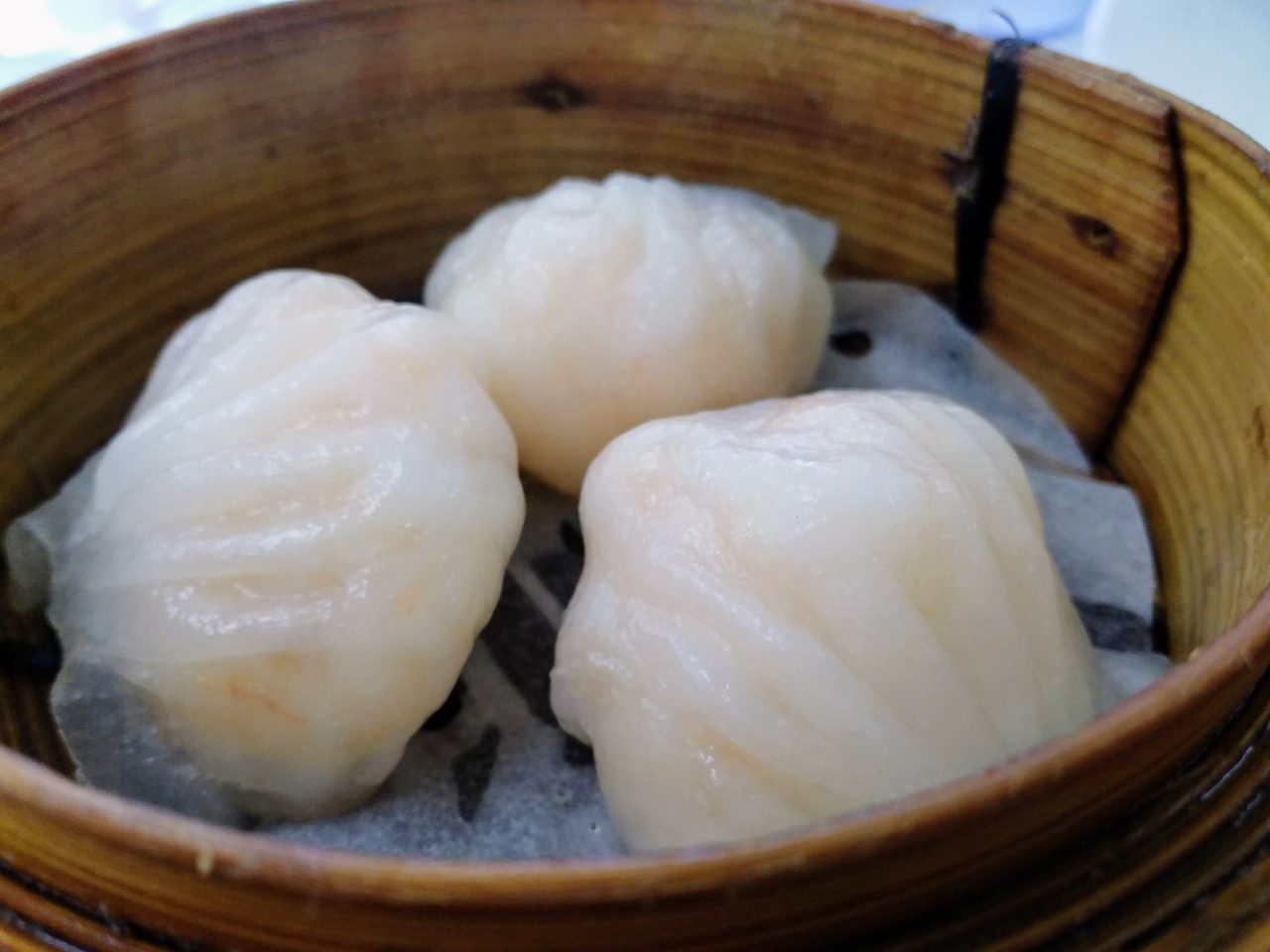
- Noodles and dim sum in the same family: har gow and siu mai steam much the same prawn filling, and char siu is what goes on top of dry-style wantan mee. Among noodles there are beef noodle soup, dan dan noodles and ramen, while jjamppong is this same Cantonese line gone spicy in Korea.
Tips
- Twenty to thirty seconds, then cold water. This is where the dish is most often lost. Cantonese thin noodles are alkaline and cook very fast, and without a cold rinse to pull the heat out they keep cooking on residual heat in the bowl. Cold water then five seconds back in boiling water looks fussy and is the entire source of the springiness (cooking noodles).
- Wontons at the bottom, noodles above. It is the rule in Cantonese noodle shops and the reason is plain: noodles fully submerged keep swelling while you eat. The wontons stay warm underneath and the noodles sit half out of the soup. Some shops put a ceramic spoon in first to hold the noodles up.
- Never let the broth boil hard. At a rolling boil, protein and fat emulsify and the broth goes cloudy. A clear broth is half of this dish and cloudiness cannot be undone (stocks and broth).
- The dried flounder must be toasted. Untoasted it leaves only fishiness; toasted, the amino acids react into the particular savoury aroma that is the signature of this broth.
- Boil the wontons in plain water, not the broth. Starch shedding off the wrappers clouds it. Cook wontons and noodles in the same water and heat the broth separately.
- Use thin wrappers. As thick as a dumpling skin, they stay pale even boiled and swell with soup. Cantonese wonton wrappers contain egg, look faintly yellow, and are close to paper.
- Chop only half the prawns. Whole pieces give the bite, chopped ones bind. Blitz it all and you get fishcake.
- Leave a tail; seal only the base. Seal the bottom firmly so nothing leaks and leave the top of the wrapper loose. That loose skin cooks soft in the broth and makes the contrast (wrapping and sealing).
- Blanch the gai lan separately. Boiled in the broth, the vegetable's bitterness and colour leach into it. Blanch and add at the end (blanching vegetables).
- Season with salt and white pepper only. Soy sauce colours the broth and the premise of a clear soup collapses (salt and seasoning).
- Wrap the wontons ahead and freeze them. Freeze them apart on a tray, then bag them. Cook from frozen with about a minute more. With the broth frozen separately too, this is a fifteen-minute weeknight dish (freezing and thawing).
- Eat it at once. A few minutes after assembly the noodles have drunk the broth and the spring that is the point of the dish is gone. Have broth, wontons and noodles all ready and leave only the assembly for last (serving temperature).
The basics behind this dish
- Dough and Gluten: When to Build It and When to Avoid ItThe same flour and water becomes a dumpling wrapper or a tender pancake. The difference is whether you built gluten or avoided it — and kneading and resting do different jobs.
- Why Sauces Split: Emulsions and Pan SaucesA cream sauce breaking and a carbonara scrambling are the same failure. Temperature and emulsifiers — plus how to bring a split sauce back.
- Knife Skills: Grip, Cuts, and Why Size MattersHow you hold the knife matters more than how fast you cut. The pinch grip, the claw hand, and why uniform size is a cooking decision rather than a cosmetic one.
More of the same kind


More from this country


Sign in to edit.
AI-drafted, editor-reviewed · edits: 0 ·Edit history
https://cookiki.com/en/r/wonton-noodles · cookiki · User contributions are licensed under CC BY-SA 4.0.