
Photo: Sayom · CC BY-SA 4.0
Saleeg (Rice Simmered in Broth and Milk)
A rice dish from the Hejaz: chicken simmered soft with cardamom and peppercorns, lifted out and browned, while long-grain rice cooks down in that broth until it collapses, finished with milk and butter. It looks like risotto and works the other way round. The rice is washed, and instead of stirring creaminess out of the grain, the creaminess is brought in as dairy. Kabsa is the control sitting next to it: the same long grain, cooked for the opposite result.
Ingredients
- Meat and broth
- chicken · 1.2kg, quartered1 whole
- onion1
- green cardamom pods · crushed open6
- black peppercorns1 tsp
- cinnamon stick1
- dried lime · optional, pierced1
- water1.6 L
- salt2 tsp
- The rice
- long-grain rice · basmati or Egyptian400 g
- chicken broth · from above1.2 L
- milk400 ml
- butter60 g
- To finish
- ghee · brushed on the chicken2 tbsp
- pine nuts30 g
- raisins30 g
Steps
- ⏲ 10 min
Put the chicken, onion, cardamom, peppercorns, cinnamon and dried lime in a pot, cover with the water and bring to the boil. Skim, then salt.
- ⏲ 50 min
Cover and simmer gently until the meat pulls from the bone. Keep the broth at a bare tremble — a hard boil turns it cloudy.
- ⏲ 5 min
Lift the chicken out and strain the broth. Measure out 1.2L and keep the rest back.
- ⏲ 3 min
Wash the rice until the water is nearly clear. This is the opposite of risotto: the surface starch is not wanted here, because the creaminess arrives later as milk.
- ⏲ 25 min
Add the washed rice to the 1.2L of broth and bring to the boil. Lower the heat, set the lid ajar and cook about 25 minutes, stirring now and then, until the grains collapse.
- ⏲ 7 min
Pour in the milk and butter and cook 5-7 minutes more, scraping the base with a wooden spoon. A trail through it should hold for a second and then close over slowly.
- ⏲ 8 min
Meanwhile brush the chicken with ghee and put it under a hot grill until the skin is brown and crisp.
- ⏲ 3 min
Fry the pine nuts and raisins in a little butter in a small pan. Take them out the moment the nuts colour.
- ⏲ 2 min
Spread the rice over a wide tray, lay the chicken on top and scatter the nuts and raisins over. Serve it hot — it stiffens as it cools.
Tips & Variations
Variations
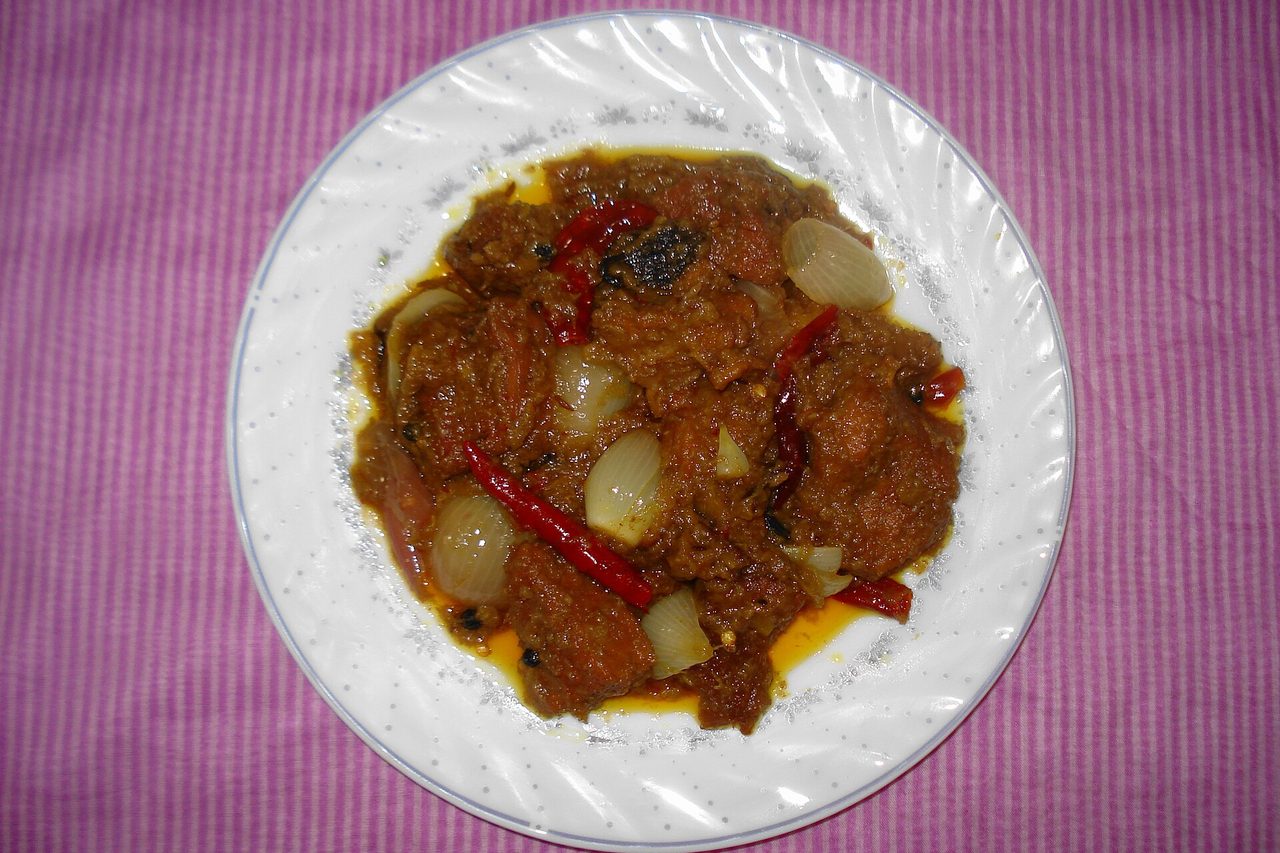
- Lamb saleeg: what the photograph shows. Simmer 1.2kg of lamb shoulder with the same spices for two hours, skim the fat off the broth once, and proceed identically. Much deeper in flavour.
- Taif style: the version from the hill town of Taif is the famous one, and it goes much looser — more milk, thin enough to pour rather than to spoon.
- Beside kabsa: the other Saudi rice dish, aimed the opposite way. Kabsa measures its broth to 1.5 times the rice and says not to stir once the rice is in, because it wants separate grains. Saleeg uses the same long grain and wants the opposite.
- All ghee: replacing the finishing butter with samn (ghee) makes it nuttier and much more aromatic. That is the traditional fat.
- The reserved broth is there to loosen the rice if it tightens. Water loosens the flavour along with it.
Tips
- Washing the rice is where this dish forks. Cooking rice puts paella and risotto together under "do not rinse", because surface starch is where the creaminess comes from. Saleeg wants creaminess and washes the rice anyway — because this grain could not get there by stirring.
- A long grain does not become risotto however hard you stir it. Arborio and its relatives are high in amylopectin and shed it readily; indica long grain runs high in amylose and mostly just breaks. So the dairy comes in instead. Stirring is not what makes a rice creamy — whether stirring can is decided by the grain, first.
- The milk goes in last. Added at the start and boiled for twenty-five minutes it catches on the base and the proteins go grainy, exactly as dairy and heat sets out. It goes in once the rice has already collapsed.
- Tremble, do not boil, the broth. Stocks and broths asks for that for clarity; here it is a question of colour as much as flavour, because the finished rice has to be white.
- Against jeonbok-juk: a juk half-crushes its soaked grains in a mortar on purpose. Saleeg breaks nothing and lets time do it, which is why you can still feel the outline of a grain.
- With Hainanese chicken rice: same structure — the bird's own poaching liquid cooks the rice. That one measures the broth for separate grains; this one floods it.
- Serving temperature is part of the dish. As serving temperature would predict, cold saleeg sets firm enough to stand a spoon in. Reheat it with a little extra milk.
The basics behind this dish
- Cooking Rice: Rinsing, Ratios, and RestingHow far you rinse, how much water, and the ten minutes of resting decide the texture. And for fried rice or risotto, the rules invert.
- Browning and the Maillard ReactionMeat fails to brown for one of three reasons: it is wet, the pan is cool, or you put too much in at once. Plus how the brown film stuck to the pan becomes your sauce.
- Cooking Meat: Temperature, Resting, and Cutting Against the GrainDoneness is a core temperature, not a number of minutes. What resting actually does, how to handle a thick cut, and why the direction you slice changes the texture.
More of the same kind


More from this country
Saudi →
Sign in to edit.
AI-drafted, editor-reviewed · edits: 0 ·Edit history
https://cookiki.com/en/r/saleeg · cookiki · User contributions are licensed under CC BY-SA 4.0.